Why is Artistic Rendering Essential for Modern Visual Communication?
In today's visually driven world, the importance of effective communication cannot be overstated. Artistic rendering plays a pivotal role in modern visual communication by transforming complex ideas into engaging and comprehensible imagery. Through the use of artistic techniques, creators are able to evoke emotions, convey messages, and capture the audience's attention in ways that traditional methods often fail to achieve. This unique blend of creativity and clarity allows for a deeper connection between the artwork and its viewers, enhancing the overall communication experience.
Furthermore, artistic rendering helps bridge cultural and linguistic barriers. Visuals can transcend spoken and written language, making them universally accessible. By employing various artistic styles and elements, artists can express diverse narratives and perspectives that resonate with a wide range of audiences. This ability to communicate across cultures is essential in our increasingly interconnected world, where understanding and collaboration are key to addressing global challenges.
Ultimately, the role of artistic rendering in modern visual communication is not only about aesthetics; it serves as a vital tool for storytelling and meaningful interaction. As we delve deeper into this topic, it becomes clear that embracing artistic rendering is instrumental in shaping the future of how we convey ideas, share experiences, and connect as a society.
The Role of Artistic Rendering in Enhancing Visual Storytelling
Artistic rendering plays a pivotal role in enhancing visual storytelling by transforming ordinary images into compelling narratives. This technique allows artists and designers to convey complex emotions, ideas, and themes through stylized visuals, drawing viewers into the story and making it resonate on a deeper level. When utilized effectively, artistic rendering can create immersive experiences that not only capture attention but also foster engagement and emotional connections with the audience.
**Tips for Effective Artistic Rendering:** To elevate your visual storytelling through artistic rendering, consider the emotional tone of your message. Use color palettes that align with the conveyed sentiment; warm tones often evoke feelings of comfort, while cooler shades might suggest tranquility or melancholy. Additionally, experiment with various styles—be it abstract, surreal, or realistic—to determine which best complements your narrative.
Artistic rendering also allows for greater creativity in composition. By breaking away from conventional layouts, you can guide the viewer's eye and create dynamic visual hierarchies. Employing techniques such as contrast and scale can emphasize critical elements of the story, ensuring that your visuals not only tell a story but do so in a memorable and impactful way. This creative freedom ultimately enriches the viewer's experience, making the art of storytelling captivating and unforgettable.
Why is Artistic Rendering Essential for Modern Visual Communication? - The Role of Artistic Rendering in Enhancing Visual Storytelling
| Dimension |
Importance |
Impact on Storytelling |
Example Usage |
| Emotion |
High |
Conveys feelings and moods effectively |
Illustrations in films and storybooks |
| Clarity |
Medium |
Simplifies complex concepts |
Infographics and diagrams |
| Engagement |
High |
Captures and retains audience interest |
Dynamic visual content in advertising |
| Memorability |
High |
Enhances recall of information |
Brand logos and unique art styles |
| Cultural Relevance |
Medium |
Reflects societal values and beliefs |
Culturally themed artworks |
The Impact of Artistic Techniques on Audience Engagement
Artistic techniques play a crucial role in enhancing audience engagement, particularly in a world increasingly dependent on visual communication. Recent discussions among artists and educators have highlighted the profound impact of art on everyday life, prompting reflections on whether art can indeed "save us." In this context, artistic rendering not only captivates viewers but also inspires deeper emotional connections and reflections, transforming passive observation into active participation.
Furthermore, the rise of digital art integrates creative practices into public spaces, making art more accessible and relevant in contemporary society. The integration of technologies, such as extended reality, enhances how cultural heritage is preserved and experienced, fundamentally altering audience interactions. As conflicts affect billions globally, the fusion of art and activism emerges as a powerful narrative tool, effectively engaging audiences and prompting them to contemplate their roles in societal change. Through these artistic expressions, the potential to engage audiences on multiple levels becomes apparent, proving that artistic rendering is essential for meaningful visual communication in our modern landscape.
Why is Artistic Rendering Essential for Modern Visual Communication?
The chart illustrates the positive impact of artistic rendering techniques on key dimensions of visual communication. As shown, visual appeal and audience engagement are critical factors leading to improved retention and brand recognition, which ultimately influence conversion rates. These findings highlight the essential role of artistic methods in modern visual communication.
How Artistic Rendering Facilitates Cross-Cultural Communication
Artistic rendering plays a crucial role in bridging cultural divides in modern visual communication. By utilizing colors, symbols, and styles unique to different cultures, artists can convey messages that transcend language barriers. Through visual storytelling, these renderings allow viewers from diverse backgrounds to connect with and interpret the artwork in ways that resonate with their own experiences and values. For instance, a piece representing harmony in one culture may involve specific motifs and colors that hold deep significance, making it relatable to individuals from that culture while also educating those outside it.
Furthermore, artistic rendering fosters dialogue between cultures, encouraging a rich exchange of ideas. When artists integrate elements from various traditions into their work, it invites viewers to explore and appreciate perspectives different from their own. This not only enhances mutual understanding but also promotes empathy and collaboration across cultural boundaries. In an increasingly globalized world, such artistic expressions are essential, as they unify people in a shared narrative, demonstrating that despite our differences, art can serve as a powerful medium for connection and communication.
The Evolution of Artistic Rendering in Digital Media
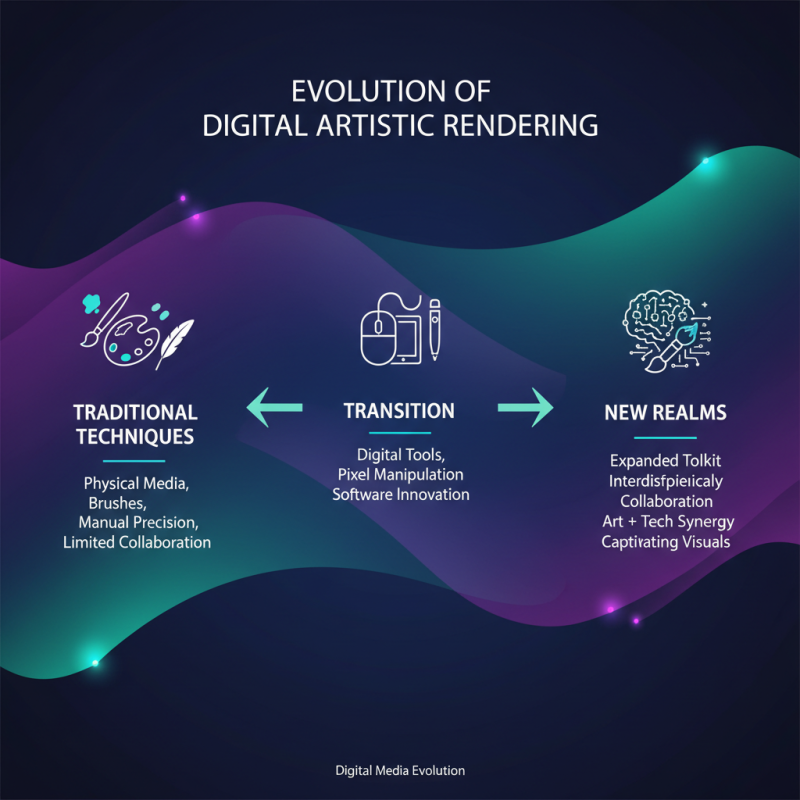
Artistic rendering has undergone a remarkable evolution in digital media, transitioning from traditional techniques to innovative software that allows artists to explore new realms of creativity. Initially, the use of brushes and physical media dominated the scene, but with the advent of digital technology, artists gained access to tools that enable them to manipulate pixels with precision. This shift has not only expanded the artist’s toolkit but also fostered collaboration across various disciplines, blending art with technology to create captivating visual content.
**Tips for Enhancing Your Artistic Rendering Skills:**
- Start experimenting with different software applications to find your preferred tools. Programs like Adobe Photoshop, Corel Painter, and Procreate offer diverse functionalities that can enhance your workflow.
- Study the work of contemporary digital artists to understand their techniques and processes. Analyzing others’ methods can inspire your own unique style and approach.
As digital media continues to evolve, the role of artistic rendering is more pivotal than ever. It serves as a bridge between artistic vision and technological capabilities, allowing for the creation of immersive experiences in web design, gaming, and advertising. With the potential for real-time adjustments and interactivity, today's artists are empowered to push boundaries and captivate audiences in ways previously unimaginable.
Key Applications of Artistic Rendering in Branding and Marketing
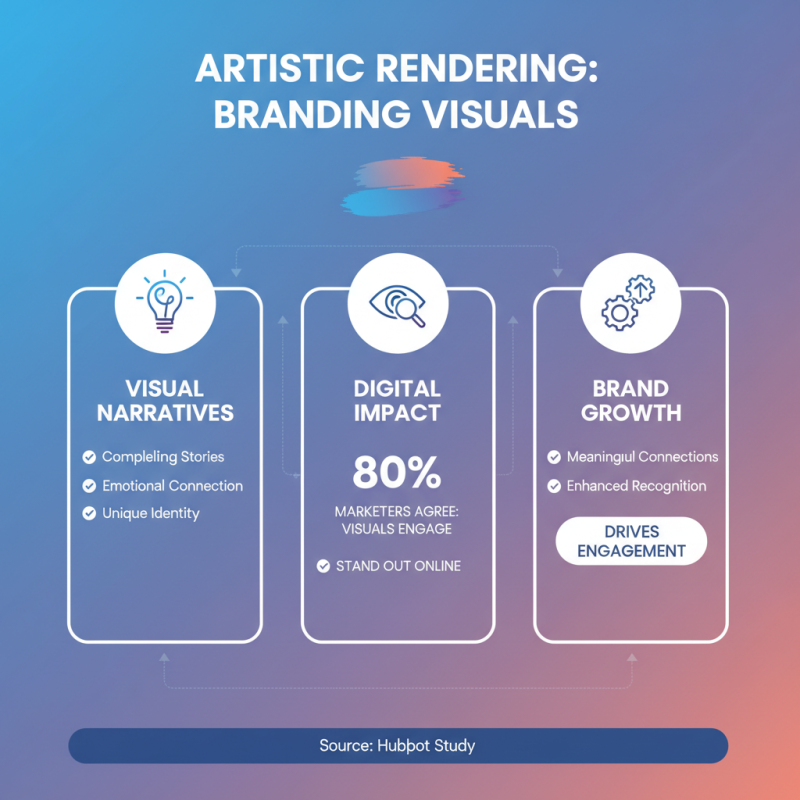
Artistic rendering plays a critical role in branding and marketing, allowing businesses to create visually compelling narratives that resonate with their audience. In today's fast-paced digital world, consumers are inundated with visual stimuli, making it essential for brands to stand out. According to a study by HubSpot, 80% of marketers believe that visual content is fundamental in engaging their audience and enhancing their brand identity. This underscores the importance of high-quality artistic renderings in driving meaningful connections.
Moreover, artistic rendering can contribute significantly to a brand's overall storytelling strategy. Effective visual representations not only convey information quickly but also evoke emotions that lead to stronger consumer relationships. A report from Adobe found that 65% of consumers prefer to engage with brands that use original visuals rather than stock images. This preference highlights the need for businesses to invest in custom artistic renderings to foster brand loyalty and authenticity.
**Tips:** To leverage artistic rendering effectively, brands should focus on establishing a consistent visual style that reflects their identity. Additionally, incorporating user-generated content alongside artistic visuals can enhance engagement and build community. Utilizing data analytics can help brands tailor their visual strategies to better meet the preferences of their target audience.