


Inquiry
Form loading...
conatctz48
contact US

Top 10 Benefits of 3D Interior Rendering for Your Design Projects

In the ever-evolving realm of interior design, the use of technology has transformed the way designers visualize and present their ideas. Among the various technological advancements, 3D interior rendering stands out as a pivotal tool that enhances design projects by bringing concepts to life in a vivid and interactive manner. This innovative approach allows designers to create highly detailed and realistic representations of their spaces, enabling clients to fully grasp the design vision long before the physical work begins.

The benefits of 3D interior rendering extend beyond mere visualization; they encompass improved communication, increased client engagement, and enhanced project efficiency. By providing a dynamic platform for showcasing design elements, these renderings foster better understanding and collaboration between designers and their clients. Furthermore, 3D interior rendering serves as a valuable marketing asset, setting projects apart in a competitive industry. As we delve into the top ten benefits of incorporating 3D interior rendering into design projects, we will explore how this powerful tool not only streamlines the design process but also elevates the overall quality of the final outcome.

Top 10 Benefits of 3D Interior Rendering for Your Design Projects

Benefits of Enhanced Visualization in Interior Design Projects
Top 10 Benefits of 3D Interior Rendering for Your Design Projects

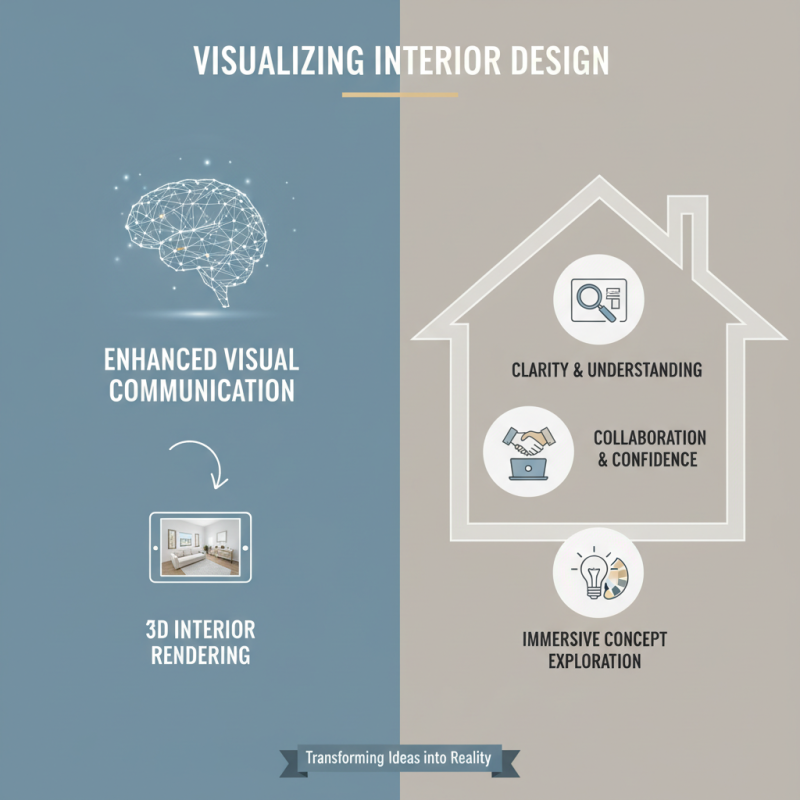
Enhanced visualization plays a pivotal role in interior design projects, transforming how designers and clients interact with ideas and concepts. By utilizing 3D interior rendering, designers can create realistic and immersive representations of their projects, allowing clients to envision the final outcome with remarkable clarity. This heightened visual communication diminishes misunderstandings, as stakeholders can explore the space in a manner that traditional 2D drawings simply cannot provide. The ability to walk through a virtual environment and observe textures, colors, and lighting in context not only inspires confidence but also fosters a collaborative atmosphere.

Moreover, enhanced visualization through 3D rendering significantly streamlines the design process. With realistic models at hand, designers can make informed decisions regarding layout adjustments, furnishings, and color schemes before any physical work begins. This proactive approach helps identify potential issues early on, saving both time and resources. Ultimately, the ability to showcase design intentions in vivid detail ensures that clients remain engaged and invested in the project, resulting in a more personalized and satisfactory design experience.
Improved Communication with Clients Through 3D Renderings

Effective communication is crucial in any design project, and 3D interior rendering significantly enhances this aspect. By utilizing three-dimensional renderings, designers can create lifelike representations of their concepts, making it easier for clients to visualize the final outcome. Traditional 2D drawings often leave clients with uncertainty, as they may struggle to grasp spatial relationships and design elements. In contrast, 3D renderings provide a more immersive experience, allowing clients to explore the design from various angles and understand how different components come together.

Moreover, 3D renderings foster clearer dialogues between designers and clients. When clients can see a realistic representation of their space, they are better equipped to articulate their preferences and concerns. This visual communication tool streamlines feedback, as clients can point out specific elements they like or wish to change. By bridging the gap between abstract ideas and tangible visuals, 3D renderings not only reduce misunderstandings but also empower clients to play an active role in the design process, ultimately leading to more satisfactory outcomes.

Increased Efficiency in Design Revisions and Modifications

One of the significant advantages of 3D interior rendering is the heightened efficiency it brings to design revisions and modifications. Traditional design methods often require numerous back-and-forth exchanges between designers and clients, leading to extended project timelines. In contrast, 3D renderings allow design professionals to visualize their concepts in a realistic manner, making it easier to identify areas that require changes before any physical work begins. With the ability to manipulate designs quickly, from altering layouts to changing color schemes, designers can address client feedback swiftly, resulting in a more streamlined revision process.

Additionally, the interactive nature of 3D interior rendering enhances collaboration among stakeholders. Clients can gain a comprehensive understanding of the design through immersive visuals, thus providing more informed feedback. This clarity not only expedites decision-making but also minimizes the chances of costly misunderstandings or dissatisfaction later in the project. By incorporating instant adjustments based on client input, designers can maintain momentum and save valuable time, ensuring that the final design aligns closely with the client's vision. Ultimately, the increased efficiency in revisions leads to a smoother workflow and can significantly impact overall project success.

Top 10 Benefits of 3D Interior Rendering for Your Design Projects

Cost-Effectiveness of 3D Rendering Compared to Traditional Methods

Top 10 Benefits of 3D Interior Rendering for Your Design Projects

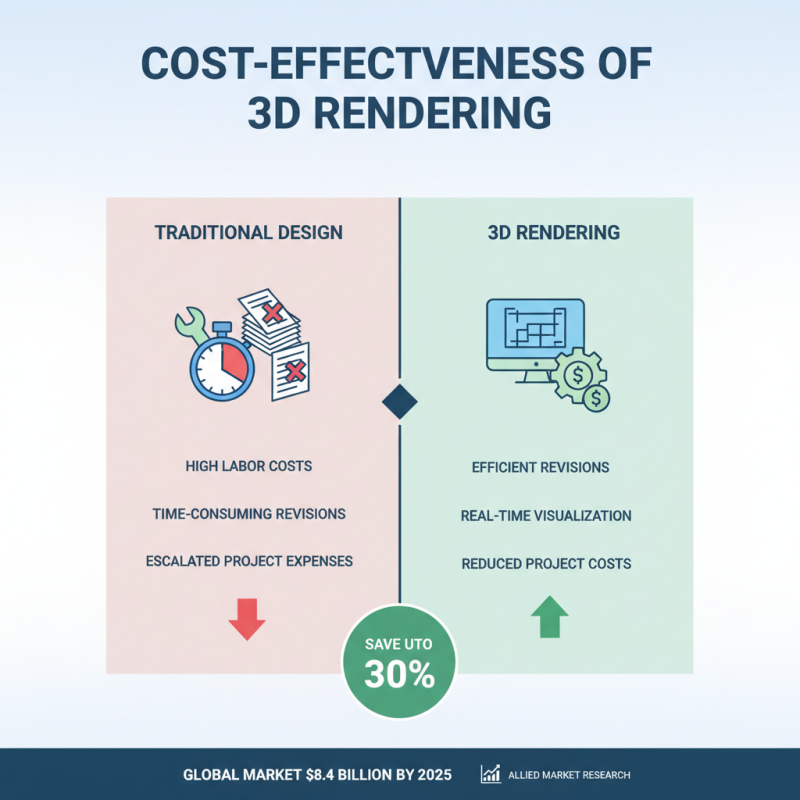
The cost-effectiveness of 3D rendering compared to traditional methods is a significant advantage in the design industry. According to a report by Allied Market Research, the global 3D rendering services market is projected to reach $8.4 billion by 2025, reflecting a growing acceptance of digital methodologies among architects and designers. Traditional design processes often involve substantial labor costs and time-consuming revisions, which can quickly escalate project expenses. In contrast, 3D rendering allows for efficient design revisions, enabling teams to visualize and modify elements in real-time, ultimately reducing overall project costs by up to 30%.

Moreover, 3D interior rendering can minimize the expenses associated with physical prototypes or extensive material purchases. A study from the International Association of Designers emphasizes that by utilizing 3D rendering, designers can cut costs on tangible samples by as much as 50%, leading to considerable savings, especially on large-scale projects. This efficiency not only conserves resources but also enhances client satisfaction through early visualizations, making it easier to align expectations and refine designs before the onset of construction.

**Tips:** When embarking on a design project, consider utilizing 3D rendering software early in your process. This approach not only streamlines communication with clients but also allows for an iterative design process that can save both time and money. Additionally, always compare the projected costs of traditional methods against 3D rendering services to identify potential savings specific to your project requirements.

Showcasing Design Concepts for Marketing and Promotional Purposes

3D interior rendering has revolutionized the way designers present their concepts, particularly in the realm of marketing and promotional activities. By providing highly detailed and lifelike visual representations of design ideas, these renderings allow potential clients to envision the final results with clarity and excitement. This visual storytelling not only enhances the appeal of a project but also facilitates a deeper emotional connection between the design and the audience, which can drive interest and engagement.

Furthermore, 3D renderings serve as powerful tools for presentations, making it easier to communicate complex ideas in a digestible format. Clients can explore various design elements, textures, and color schemes in a virtual environment, which helps in making informed decisions. This immersive experience can significantly reduce the chances of miscommunication, allowing designers to align their vision with client expectations more effectively. Ultimately, embracing 3D interior rendering for marketing and promotional efforts enables a seamless blend of creativity and business strategy, enhancing the overall success of design projects.

Name(required)

Message(required)

VISIT US

GuangZhou

Room 2301, building A, poly zhongyu plaza, no. 626 tianhe north road, guangzhou, China

Phone/WhatsApp

+86 13392497798

Email

lights@chinarendering.com