Top 5 Benefits of Using 3D Render in Modern Design Projects
In the ever-evolving landscape of modern design, the incorporation of 3D render technology has revolutionized the way professionals approach their projects. Leading industry expert John Smith, a renowned 3D visualization artist, once stated, “3D rendering not only enhances the aesthetic appeal of a design but also bridges the gap between imagination and reality.” This insightful perspective highlights the transformative power of 3D render techniques, allowing designers to bring their creative visions to life with unparalleled precision and detail.
The benefits of utilizing 3D render in design projects extend far beyond mere visual enhancement. From improved communication with clients to streamlined project workflows, the application of this technology has become essential in various fields, including architecture, interior design, and product development. As we delve deeper into the top five advantages of using 3D render, it becomes clear that this innovative tool is not merely an addition to the designer's toolkit but a fundamental aspect of modern design practice that facilitates creativity, efficiency, and collaboration.
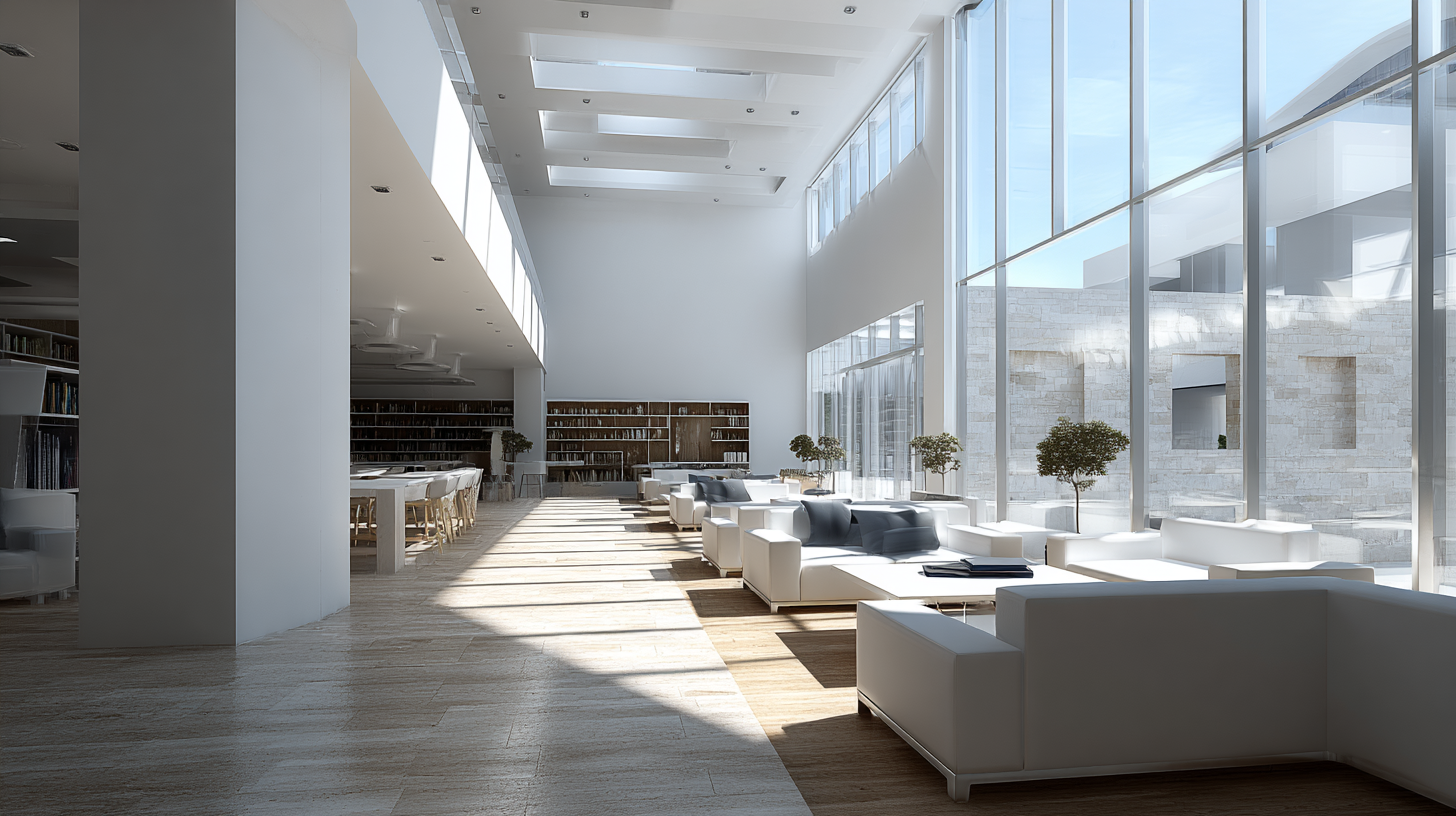
Enhanced Visualization: Bringing Concepts to Life with 3D Render
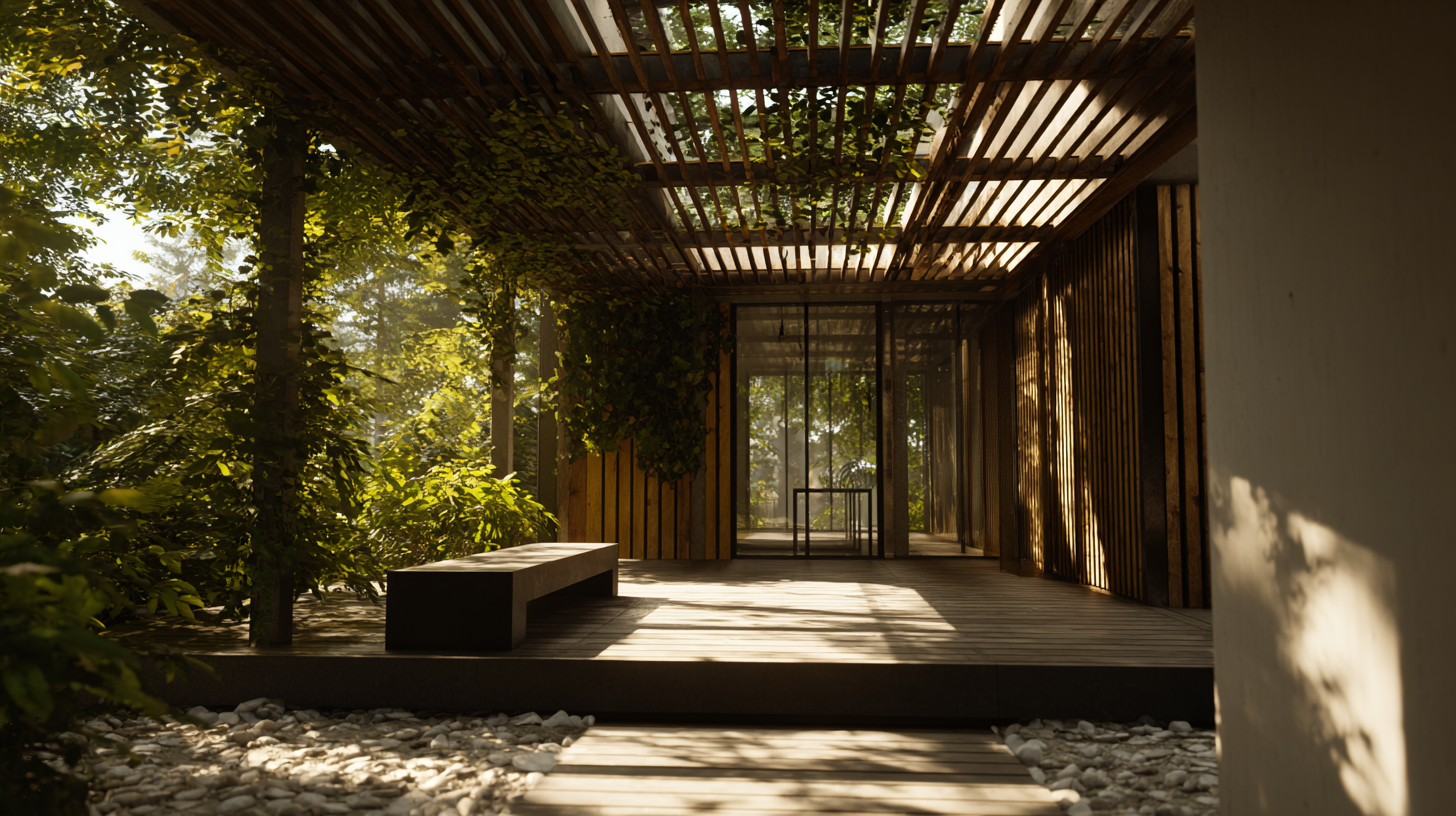 Enhanced visualization is a key advantage of using 3D rendering in modern design projects. By transforming flat blueprints and sketches into dynamic, three-dimensional representations, designers can convey their concepts with remarkable clarity. This technology allows clients and stakeholders to experience designs as if they were tangible products, providing a more immersive understanding of spatial relationships, materials, and lighting effects. The ability to visualize a project in 3D significantly reduces misunderstandings and misinterpretations, fostering a more collaborative environment where feedback can be accurately informed.
Furthermore, 3D rendering enables designers to experiment and iterate rapidly. By making adjustments to colors, textures, and layouts in a virtual space, designers can explore various aesthetic possibilities before finalizing their choices. This flexibility not only enhances creativity but also streamlines the decision-making process. Ultimately, enhanced visualization through 3D rendering results in more effective communication and collaboration, allowing projects to progress smoothly from initial concept to final execution.
Improved Client Communication: Visual Tools for Clearer Discussions
In modern design projects, effective communication with clients is paramount, and using 3D renderings significantly enhances this process. Traditional methods of conveying design ideas often rely on 2D sketches or verbal descriptions, which can lead to misunderstandings and misinterpretations.
By utilizing 3D visual tools, designers can present their concepts in a lifelike manner that clients can easily comprehend. This visual clarity allows for more meaningful feedback and a collaborative approach to the design process.
Moreover, 3D renders serve as a bridge between the designer's vision and the client's expectations. With dynamic visuals, clients can better grasp the spatial relationships and aesthetics of a project, thus fostering a more engaged dialogue. This increased understanding not only streamlines the decision-making process but also instills confidence in clients, knowing that their ideas are accurately represented. Ultimately, incorporating 3D renderings in design projects transforms the client experience, ensuring that both parties are aligned and excited about the project's direction.
Faster Design Iteration: Streamlining Revisions with 3D Technology
Embracing 3D rendering technology in modern design projects significantly enhances the speed and efficiency of design iterations. Traditional design processes often involve lengthy back-and-forth communication between designers and clients, leading to extended timelines for revisions. With 3D renderings, designers can create highly accurate visual representations of their concepts, allowing for immediate feedback and adjustments. This visual clarity facilitates a more streamlined revision process, helping teams to identify areas for improvement faster than ever before.
Moreover, 3D rendering enables designers to experiment with various ideas and styles without the need for time-consuming physical prototypes. Changes can be made in real-time, transforming a static design into a dynamic one that evolves based on client input. This agility not only brings forth creative possibilities but also reduces the chances of misinterpretation, ensuring that the final product aligns closely with the client's vision. As a result, design projects can move from concept to completion in a fraction of the time, ultimately leading to more successful outcomes and satisfied clients.
Cost-Effectiveness: Reducing Expenses with Virtual Prototyping
In modern design projects, the integration of 3D rendering significantly enhances cost-effectiveness through the utilization of virtual prototyping. Creating physical prototypes can be an expensive and time-consuming process, often requiring multiple iterations to achieve the desired outcome. By leveraging 3D rendering technology, designers can visualize concepts digitally, enabling them to make necessary adjustments before any physical production begins. This virtual approach not only saves materials and labor costs but also accelerates the design cycle, allowing for quicker project turnaround.

Furthermore, 3D rendering facilitates better communication among stakeholders. By presenting a detailed digital model, designers can convey their ideas more effectively to clients and team members without the limitations of traditional sketches or static images. This clarity reduces misunderstandings and minimizes the risk of costly revisions down the line. Overall, the cost-effectiveness of leveraging 3D rendering in design projects ultimately enhances creativity and innovation while maintaining budgetary control.
Elevated Marketing Strategies: Captivating Audiences with Stunning 3D Visuals
In today’s competitive marketplace, captivating audiences has become more challenging than ever, and stunning 3D visuals are proving to be a game-changer. By incorporating high-quality 3D renderings into marketing strategies, brands can create immersive experiences that resonate with their target audience. This innovative approach allows potential customers to visualize products in a realistic context, enhancing their understanding and emotional connection to the brand.
Moreover, 3D renderings elevate storytelling in marketing campaigns. They provide a dynamic way to showcase products, highlighting features and benefits through engaging animations and visuals. Whether it’s in advertisements, social media promotions, or virtual reality experiences, 3D visuals can turn a mundane concept into a captivating narrative.
This not only drives engagement but also increases the likelihood of conversion as consumers are drawn into the storytelling experience, feeling more invested in the brand and its offerings. With 3D rendering, modern design projects can effectively bridge the gap between creativity and commerce, delivering compelling content that stands out in a crowded digital landscape.