10 Best Architectural Animation Techniques for Stunning Visuals
In the realm of architectural design, the integration of visual storytelling through Architectural Animation has emerged as a transformative technique that captivates audiences and elevates project presentations. According to a report by MarketsandMarkets, the global architectural visualization market is projected to grow from USD 2.4 billion in 2020 to USD 5.5 billion by 2025, demonstrating an increasing demand for sophisticated visual representation methods. Architectural Animation not only enhances the understanding of complex designs but also fosters emotional connections, enabling stakeholders to visualize concepts before construction even begins.
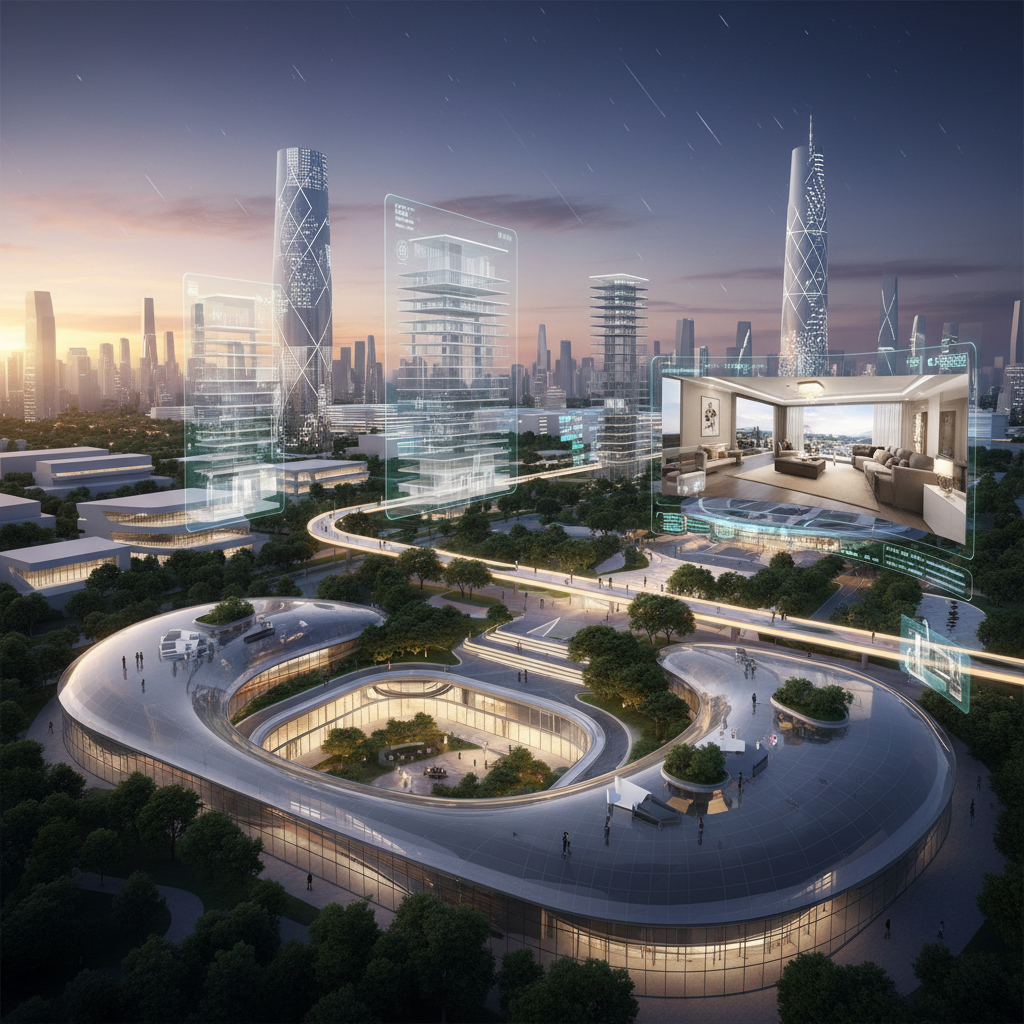
As competition intensifies within the architectural industry, professionals are turning to innovative animation techniques to create stunning visuals that set their projects apart. Techniques such as 3D modeling, walkthroughs, and flythrough animations allow architects to immerse clients in realistic representations of their visions, promoting clearer communication and collaboration. Furthermore, with the rise of virtual reality and augmented reality technologies, the potential for Architectural Animation to redefine the client experience is greater than ever. By employing these advanced techniques, architects can effectively showcase their creativity and establish a compelling narrative that resonates with potential clients and investors alike.
Types of Architectural Animation Techniques Explained
Architectural animation techniques are essential for visualizing designs and bringing concepts to life. These methods can vary significantly, each offering unique advantages depending on the project's requirements.
One popular technique is 3D modeling, which allows designers to create detailed representations of their structures. This technique enhances client understanding and engagement by providing accurate spatial visuals.
Another highly effective approach is virtual reality (VR) animation. By immersing viewers in a fully interactive environment, VR creates a compelling experience that traditional animations cannot match. It allows clients to explore designs firsthand, identifying potential issues and providing feedback before construction begins.
To enhance your VR presentations, ensure your models are optimized for performance by reducing polygon counts while maintaining visual fidelity.
Finally, motion graphics can add dynamism to architectural presentations. This technique combines video footage and three-dimensional elements, making it possible to showcase a project’s context and surroundings effectively.
When using motion graphics, try to incorporate animated overlays that highlight key features of your design, which can guide viewers through your vision seamlessly. By utilizing these animation techniques, architects can create stunning visuals that resonate with clients and stakeholders alike.
Importance of Storytelling in Architectural Visualizations
In the realm of architectural visualization, the importance of storytelling cannot be overstated. Storytelling serves as a bridge that connects viewers emotionally to a space, allowing them to envision life within the architecture. By integrating narratives into visual representations, architects and designers can create immersive experiences that go beyond mere aesthetics, capturing the essence and purpose of a project. Each element in a visual—be it lighting, color, or textures—can support a narrative, evoking feelings of comfort, excitement, or nostalgia.
Engaging storytelling can transform passive observation into active participation, turning viewers into stakeholders in the space being designed. When paired with advanced visualization techniques, this narrative approach can create a powerful emotional resonance, reminiscent of strategies employed by leading brands across various industries. These brands illustrate how effective storytelling can create strong emotional ties and cultural relevance, making their messages not just heard but felt. For architectural visualizations, it’s vital to harness these storytelling techniques to communicate the vision and concepts behind the designs, ensuring that the audience comprehensively understands the intended experience and impact of the spaces.
10 Best Architectural Animation Techniques for Stunning Visuals
| Technique |
Description |
Importance |
Use Cases |
| 3D Modeling |
Creating a detailed and accurate representation of structures in three dimensions. |
Essential for visualizing complex architectural features. |
Residential designs, commercial buildings. |
| Virtual Reality (VR) |
Immersive experiences allowing users to explore spaces before they are built. |
Enhances client interaction and understanding. |
Real estate presentations, design reviews. |
| Photorealistic Rendering |
Creating images that resemble real photographs for increased realism. |
Crucial for selling concepts to clients. |
Marketing materials, proposal documents. |
| Animation |
Moving visuals that showcase the design in action. |
Brings projects to life by demonstrating usage. |
Client presentations, project walkthroughs. |
| Lighting Techniques |
Simulating natural and artificial lighting to enhance visuals. |
Affects mood and perception of space. |
Interior designs, exterior showcases. |
| Aerial Footage |
Using drone technology to capture buildings from above. |
Provides context within the environment. |
Site analysis, urban development projects. |
| Augmented Reality (AR) |
Overlaying digital information onto a real-world environment. |
Enhances real-time design visualization. |
Client engagement, on-site presentations. |
| Interactive Presentations |
User-driven slideshows to navigate through designs. |
Tailored experience increases client investment. |
Sales meetings, design showcases. |
| Conceptual Diagrams |
Schematic representations that communicate ideas simply. |
Helps in strategic planning and concept validation. |
Design proposals, team brainstorming. |
Key Software Tools for Creating Stunning Architectural Animations
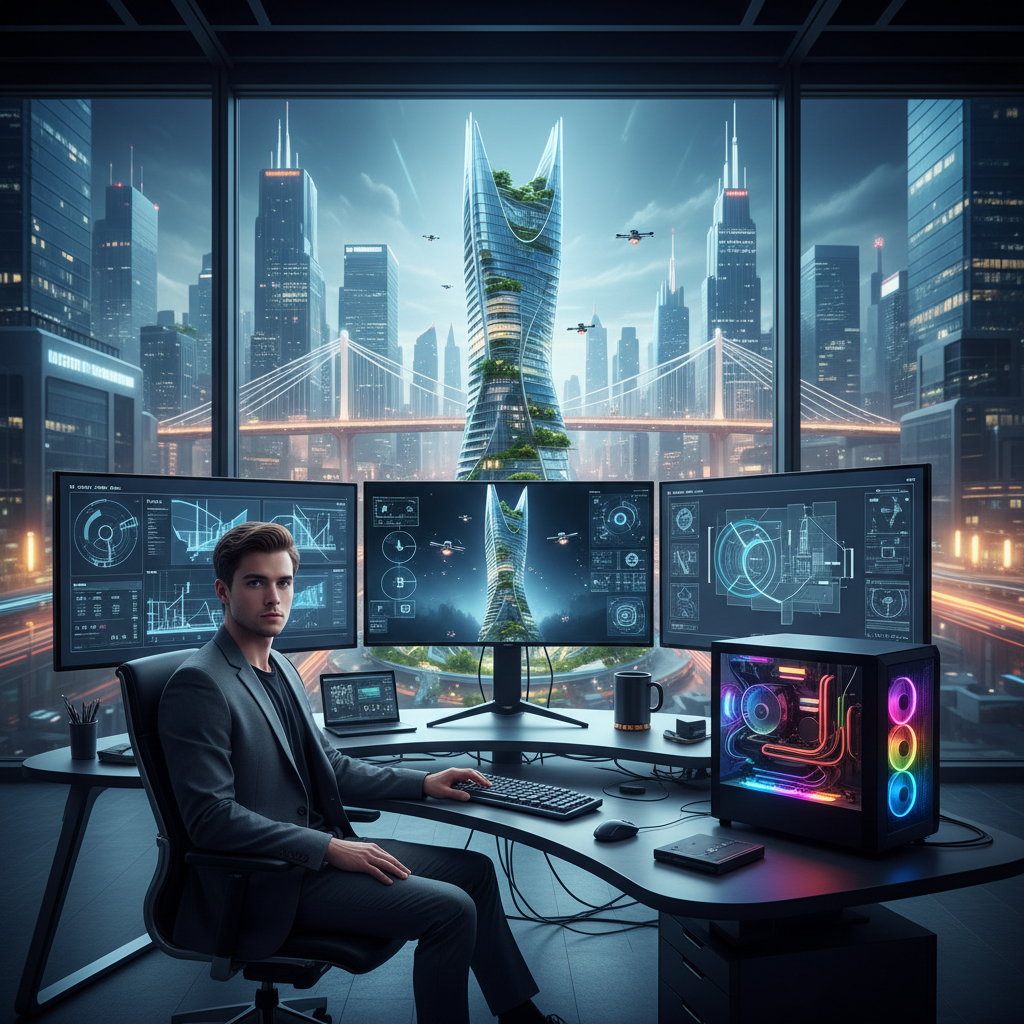
In today's digital age, creating stunning architectural animations has become essential for architects and designers. The software tools available for this purpose have evolved dramatically, allowing for more detailed and immersive visualizations. The global CGI software market was valued at $18.7 billion in 2023, with projections to reach $48.3 billion by 2032, highlighting the growing demand for high-quality animation and visualization tools.
One of the key aspects of architectural animation is the selection of the right software. There are various tools that can cater to different needs, from modeling and rendering to real-time visualization. When choosing software, consider your specific requirements: Are you focusing on high realism, speedy rendering, or perhaps interactive elements? Always keep in mind user interface and ease of integration with other systems.
Tips: To elevate your animations, invest time in learning the software's advanced features and tools. Additionally, regularly update your skills as technology rapidly advances, ensuring you can leverage the newest capabilities for outstanding visuals. Lastly, collaboration within a team can significantly enhance the creative process, opening up new ideas and approaches that can lead to stunning results.
Best Practices for Incorporating Lighting in Animations
When creating architectural animations, lighting is a crucial element that can dramatically enhance the visual storytelling. Effective use of lighting can transform a simple scene into an immersive experience, highlighting the textures and features of the design. By experimenting with different lighting techniques, such as shadow mapping and ambient lighting, animators can bring a sense of depth and realism that captivates the viewer's attention.
Incorporating varied lighting schemes not only adds to the aesthetic appeal but also serves functional purposes within the narrative of the animation. For instance, using contrasting light can emphasize key areas of an architectural design, guiding the viewer's focus and enhancing the overall atmosphere. This approach resonates with contemporary practices in digital media, where dynamic elements, like video content, play an essential role in engaging audiences. Just as in video branding strategies that utilize captivating visuals to maintain viewer interest, architectural animations can harness the power of lighting to create stunning, memorable visuals that resonate with their audience.
Lighting Techniques for Architectural Animation
Tips for Enhancing Realism in Architectural Rendering Techniques
Enhancing realism in architectural rendering techniques is crucial for creating visually stunning animations that effectively communicate design intentions. According to a report by the International Journal of Architectural Computing, incorporating advanced rendering techniques can improve perceived realism by up to 50%. One of the most effective ways to achieve this is through the use of physically-based rendering (PBR), which simulates real-world lighting and materials.
By accurately modeling how light interacts with surfaces, designers can produce images that closely resemble reality, making them more compelling to clients and stakeholders.
Another important technique is the integration of high-quality textures and environmental effects. Using high-resolution textures can significantly enhance the detail in animations, providing a tactile sense to objects within the scene. Additionally, leveraging volumetric lighting and atmospheric effects, such as fog and reflections, can add depth and complexity to the environment. A study published in the Journal of Visualization and Computer Animation found that scenes with dynamic lighting and atmospheric conditions receive up to 70% more positive feedback from viewers.
By combining these advanced techniques, architects can create immersive visual experiences that not only showcase their designs but also resonate emotionally with audiences.