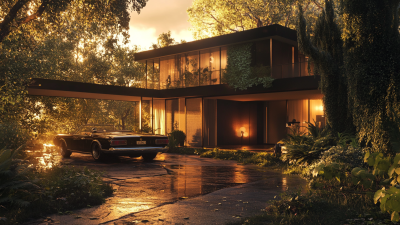
Why Choose Ai 3d Rendering for Your Next Creative Project?
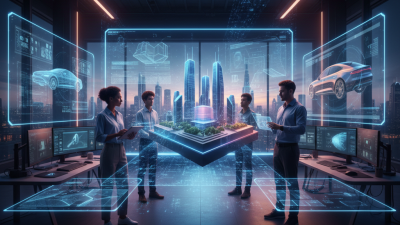
In today's creative landscape, projects demand innovation and efficiency. Ai 3d Rendering emerges as a game-changer. It offers stunning visuals, saving time and resources for artists. Imagine designing a vibrant, lifelike scene in a fraction of traditional time.
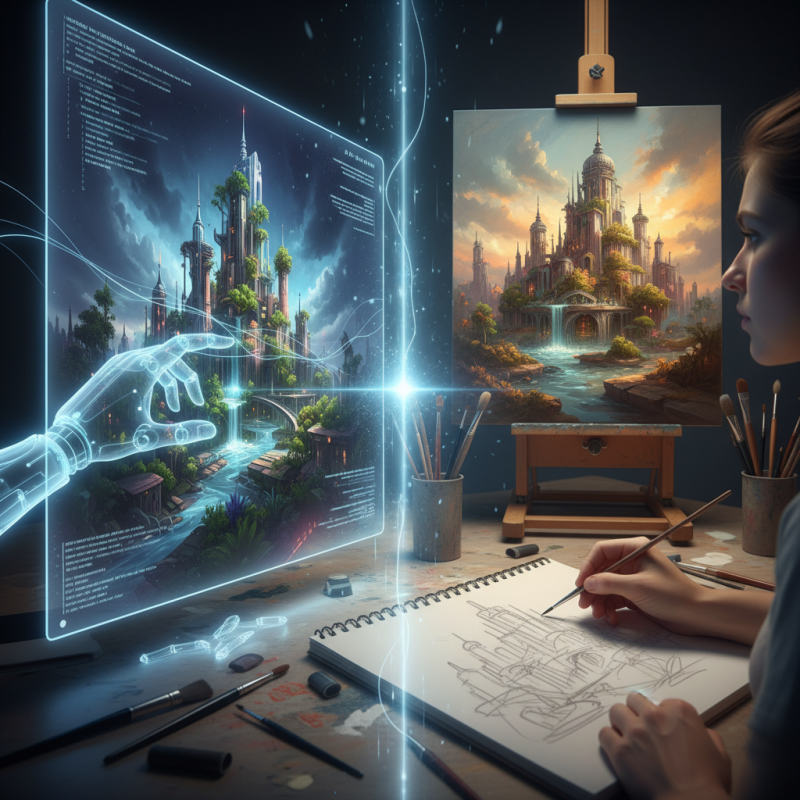
Using Ai 3d Rendering enhances creativity. It allows for instant adjustments. Artists can explore ideas freely, without lengthy revisions. However, there are challenges. Dependence on AI can stifle personal creativity. The balance between technology and artistic expression is delicate. Artists must reflect on how much they rely on AI tools.
Moreover, AI’s capabilities are impressive yet imperfect. The final output might lack the human touch. Artists should embrace Ai 3d Rendering while maintaining their unique voice. Choosing this technology can elevate projects. Yet, it requires careful consideration of its limitations and benefits.
Benefits of AI 3D Rendering in Creative Projects
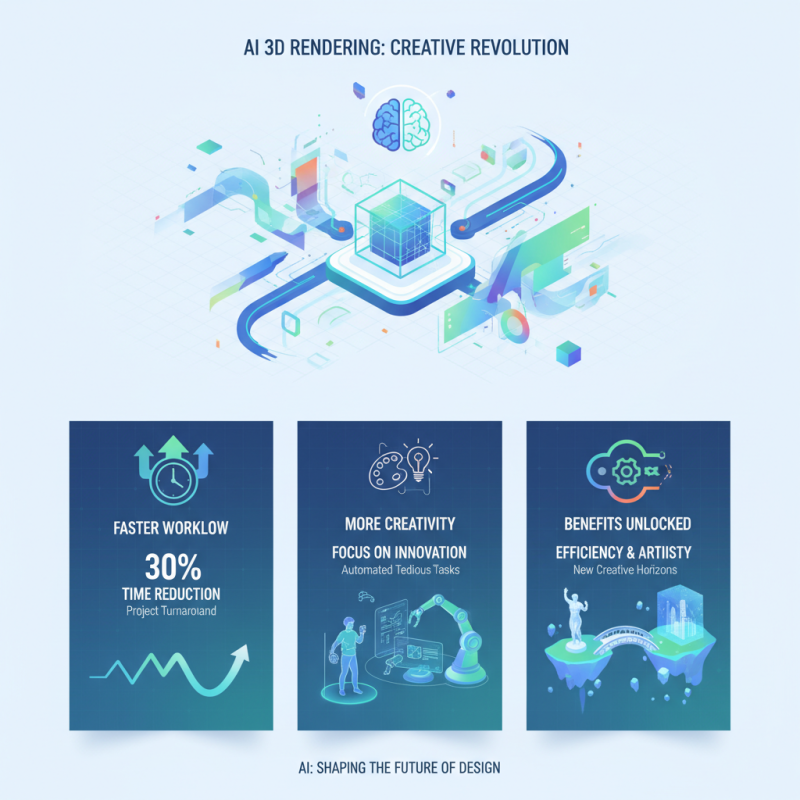
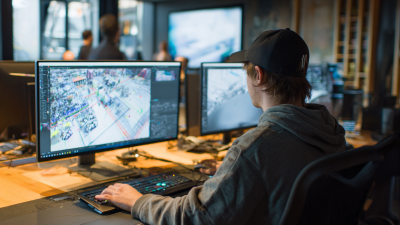
AI 3D rendering is transforming the creative landscape. With its rise, numerous benefits emerge. This technology reduces project turnaround time significantly. Reports indicate that using AI can streamline workflows by up to 30%. This efficiency allows artists to focus more on creative aspects rather than tedious tasks.
One of the standout benefits is improved visual accuracy. AI algorithms can assist in producing realistic textures and lighting. This results in stunning visuals that captivate audiences. However, there is a drawback. While AI enhances productivity, it may lack the nuanced creativity of human designers. Collaboration between AI and artists is crucial for the best outcomes.
Tips: When integrating AI, start with smaller projects. This will allow for adjustment and understanding of its capabilities. Embrace imperfections; they can lead to unexpected creativity. Regularly evaluate the balance between AI assistance and human input to maintain artistic integrity.
How AI Enhances Realism in Visualizations
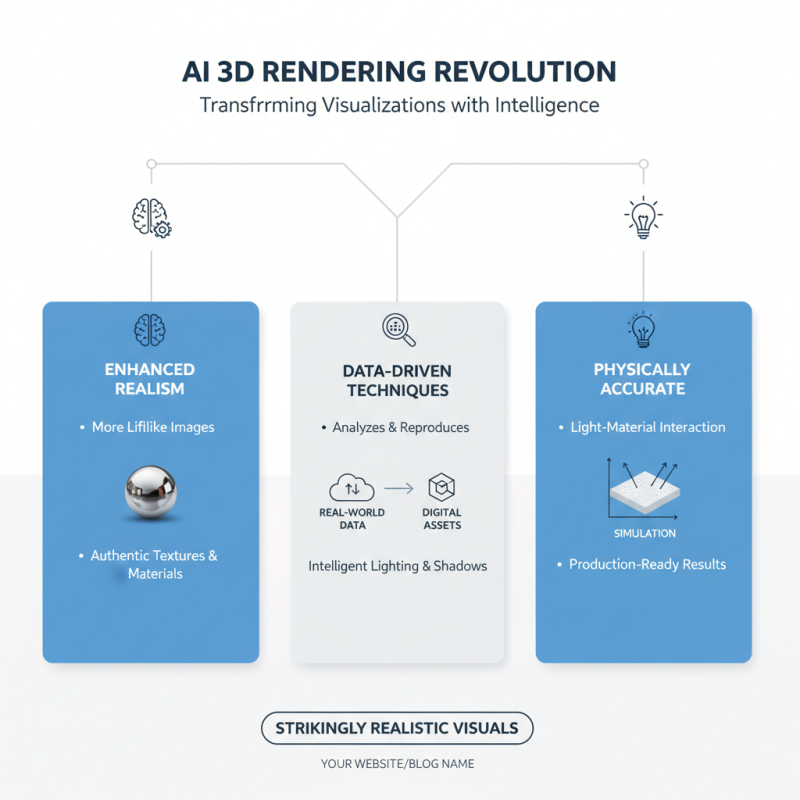
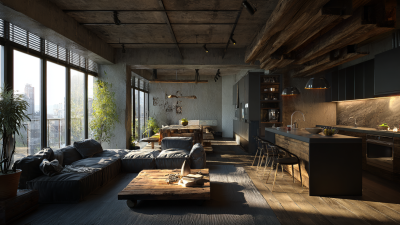
AI 3D rendering is revolutionizing the way we create visualizations. It enhances realism, making images more lifelike. By using data-driven techniques, AI can analyze and reproduce textures, lighting, and shadows in remarkable ways. This technology can simulate how light interacts with different materials. The results are strikingly realistic.
However, the AI process isn't flawless. Sometimes it struggles with complex textures or nuanced lighting. These imperfections can lead to unexpected results. Artists may need to adjust the final imagery manually. It’s essential to embrace this challenge. Each imperfection can spark creativity, pushing artists to think differently.
Advanced algorithms can generate stunning backgrounds or landscapes. Yet, they may overlook subtle details that add depth. For example, the way grass sways can change an entire scene's mood. A careful artist should observe these elements and refine them. AI enhances the process, but the human touch remains critical for truly captivating visualizations.
Comparing Traditional Rendering with AI Techniques
When comparing traditional rendering with AI techniques, distinct differences emerge. Traditional rendering often requires extensive manual inputs. Artists spend hours correcting light and shadows. Renders can take days to complete. This method relies heavily on the artist's skill and intuition. At times, it may produce stunning results, but it can also lead to inconsistencies. Minor tweaks might result in major variations.
On the other hand, AI 3D rendering streamlines the entire process. It harnesses the power of algorithms to optimize visual output. The results can be striking and highly detailed. Yet, this method isn't without flaws. AI may overlook unique artistic nuances. The creative touch can become diluted. Some designers feel a disconnect when relying too much on technology. The balance between human creativity and machine efficiency remains a topic of debate.
In creative projects, choosing between these techniques depends on specific goals and outcomes. Traditional methods offer a personal touch, while AI promises speed. Artists must evaluate their needs carefully. Will the final product reflect their vision? Or will it become a generic output? These are vital questions to consider in the age of technology.
Applications of AI 3D Rendering Across Different Industries
AI 3D rendering has diverse applications across various industries. In architecture, it transforms blueprints into lifelike visuals. Designers can showcase buildings before construction. This saves time and resources. However, reliance on AI can lead to unrealistic expectations. It's crucial to balance realism and creativity.
In the entertainment sector, AI-generated visuals enhance gaming experiences. Characters and environments can be created rapidly. This speeds up development times. Yet, some argue this may diminish the artistry of traditional methods. There is an ongoing debate on how much automation is beneficial.
In the product design realm, AI rendering allows for rapid prototyping. Companies can visualize products before manufacturing. This reduces costly errors. However, overdependence on technology may stifle original thought. Creative instincts are important for innovation. Embracing AI, while respecting traditional techniques, is a challenge many face.
Future Trends in AI 3D Rendering Technology
The landscape of AI 3D rendering technology is rapidly evolving. Predictions indicate that the global 3D rendering market will reach over $8 billion by 2027, with a significant portion attributed to AI advancements. The integration of artificial intelligence allows for faster rendering times and improved quality. For instance, AI can automatically enhance the textures and lighting, creating more realistic outputs.
A recent study by a leading tech research firm revealed that 72% of creative professionals believe AI-driven tools could significantly impact their workflows. Yet, there's a learning curve. Many users find it challenging to adapt to new tools. This can lead to frustration. Additionally, while AI can generate stunning visuals, it may not always capture the intended artistic nuance. This gap emphasizes the need for human oversight.
Emerging trends point towards greater customization and interactivity in 3D rendering. AI can analyze user preferences to create tailored designs. However, this also raises questions about creativity and originality. Will AI-generated designs overshadow the unique touch of human artists? As we explore these technologies, it's crucial to consider the balance between automation and human creativity. The future is exciting, yet it calls for reflection on the role of technology in art.
Why Choose AI 3D Rendering for Your Next Creative Project? - Future Trends in AI 3D Rendering Technology
| Aspect |
Traditional 3D Rendering |
AI 3D Rendering |
| Rendering Speed |
Hours to Days |
Minutes to Hours |
| Cost Efficiency |
High costs due to lengthy processes |
Lower costs with faster output |
| Quality of Output |
High quality but reliant on artist skill |
Consistent quality with advanced algorithms |
| Flexibility |
Limited to pre-defined parameters |
Highly adaptable and versatile |
| Ease of Use |
Requires advanced technical skills |
User-friendly interfaces with AI assistance |
| Future Trends |
Incremental improvements |
Rapid advancements with machine learning |