How to Create a Stunning 3D Floor Plan Design for Your Space?
Creating a stunning 3D Floor Plan Design can transform any space. Expertise in this field reveals the potential of visualization. Renowned designer James Richard states, "A well-crafted 3D floor plan brings a space to life." His insight highlights the importance of detail in design.
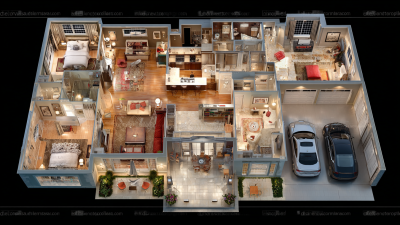
3D Floor Plan Design offers a unique perspective on spatial organization. It allows for better understanding of flow and function. Yet, achieving beauty in design is not without challenges. Designers must balance aesthetics with practicality. It's easy to overcomplicate layouts, leading to confusion. Each choice in color or material impacts the overall emotion of the space.
Reflection is key in the design process. Every professional has faced setbacks in creating an ideal floor plan. A home’s layout should cater to its inhabitants. Misjudging space can result in wasted potential. Embracing imperfections can lead to creative solutions. A captivating 3D Floor Plan Design makes a lasting impression when balanced with practical use.
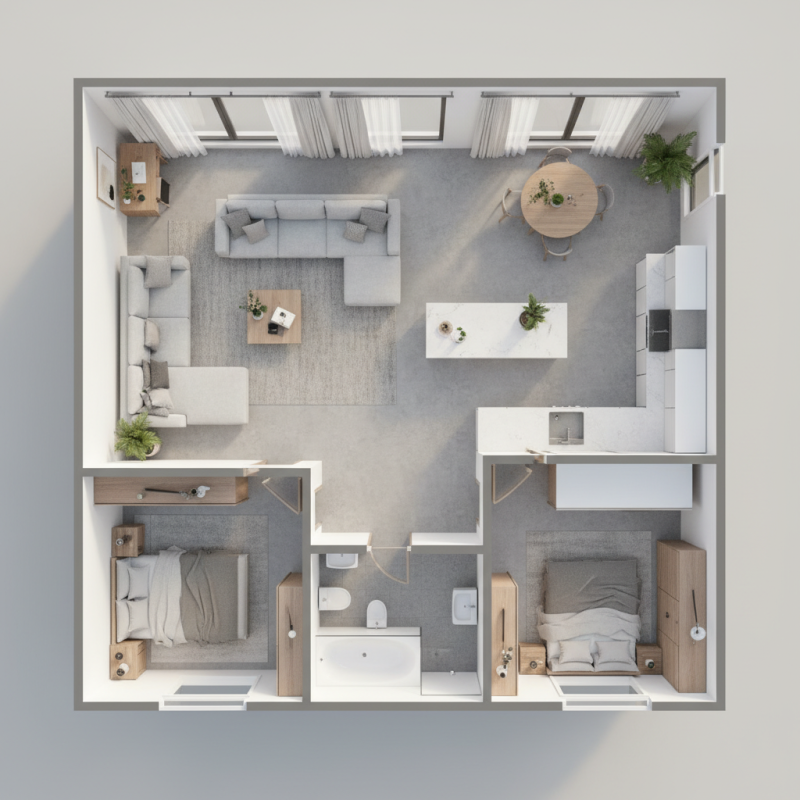
Understanding the Basics of 3D Floor Plan Design
Creating a 3D floor plan design is not just about aesthetics. It involves understanding spatial relationships and functionality. According to a report by the National Association of Realtors, 85% of home buyers find 3D floor plans helpful when visualizing a property's layout. This highlights the necessity of clear, detailed designs that communicate both space and structure effectively.
To begin, consider the size and shape of your rooms. Each area should serve a purpose. For example, an open-concept design can enhance flow and movement. However, it can also pose challenges in defining spaces. It's important to strike a balance. A poorly defined area can feel chaotic. Reference to user experiences shows that a well-planned design can significantly improve usability.
Moreover, technology plays a crucial role in achieving stunning designs. Recent studies indicate that 3D rendering technology can improve customer engagement by 60%. Yet, the learning curve can be steep. This can lead to frustration and unmet expectations for some users. Embracing this technology requires practice and patience. Even small details, like furniture placement and color choices, can make a big difference.
Choosing the Right Software for Creating 3D Floor Plans
Choosing the right software for creating 3D floor plans can significantly impact your design outcome. Many options are available today, making it essential to understand your specific needs. Different software tools offer various features like drag-and-drop functionality, customization options, and rendering capabilities. Some favorites among professionals include programs that allow real-time collaboration. These programs can enhance team efficiency, especially in complex projects.
Additionally, user interface and learning curve play crucial roles. A software that seems intuitive for beginners might lack advanced features that professionals desire. Conversely, robust software may overwhelm newcomers with its complexity. It’s beneficial to explore free trials before committing. You may discover that a highly-rated tool does not suit your specific workflow or design style.
Beyond functionality, consider community support and available resources. Good software often has robust online tutorials, forums, and customer support. This accessibility can ease your learning process. Some users find hands-on practice far more beneficial than reading manuals. Remember to evaluate and adapt your software choices as your skills develop and project requirements evolve. Experimentation is key; be prepared to revise your approach often.
Gathering Essential Measurements and Space Data
Creating a stunning 3D floor plan begins with accurate measurements. Gather essential data about your space. Use a tape measure to determine the length and width of each room. Pay attention to the height of the walls and the size of windows and doors. This information is vital for a realistic design.
Consider the layout of furniture and appliances. Take note of existing electrical outlets and fixtures. These details help in visualizing the placement of objects. A common mistake is overlooking ceiling height. It affects the overall ambiance and can impact furniture choices.
Once you have your measurements, sketch the layout. This initial sketch should include key dimensions. Revisit your spaces frequently for accuracy. Remember, imperfection can spark creativity. Reflect on what works and what doesn’t. An imperfect layout can encourage innovative solutions.
Incorporating Design Elements and Aesthetics in 3D Plans
Creating a stunning 3D floor plan requires more than just layout. It involves immersing viewers in a visual narrative. Aesthetics play a crucial role in this process. According to a report from the American Institute of Architects, 75% of homebuyers place significant importance on visual appeal. This statistic highlights why integrating design elements is key in 3D plans.
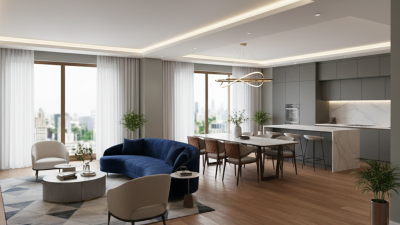
One effective method is to incorporate natural light. Strategic placement of windows can enhance the ambiance of a space. Similarly, color choices can evoke different moods. For instance, blue often promotes calmness, while warmer tones can create energy. However, the challenge lies in balancing colors. Missteps here can disrupt the intended atmosphere. Overly bold choices might overwhelm viewers instead of attracting them.
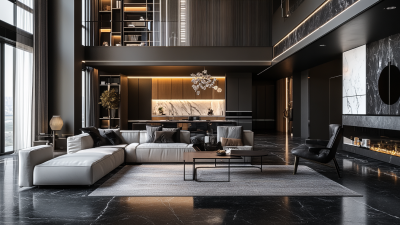
Materials and textures are equally vital. Combining different surfaces adds depth. Wood can provide warmth, while metal can contribute a modern touch. A study by the Design Research Institute found that tactile elements significantly affect user experience in virtual layouts. Despite extensive knowledge, many still overlook these details, leading to less impactful designs. Reflecting on this can help designers refine their approaches, ensuring engaging and well-rounded 3D floor plans.
Finalizing and Presenting Your 3D Floor Plan Design
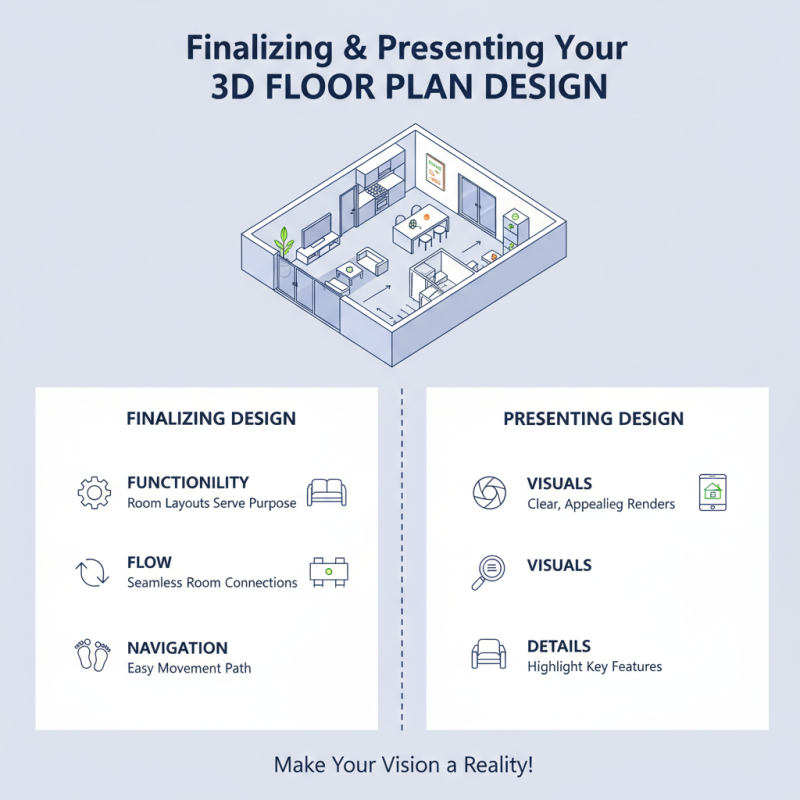
Creating a captivating 3D floor plan design is not just about aesthetics. It involves careful attention to functionality and flow. When finalizing your design, focus on practical elements. Ensure that each room’s layout supports its purpose. For example, an open kitchen should connect seamlessly to the dining area. Think about how people will navigate the space.
Presenting your 3D floor plan effectively is crucial. Use high-quality renderings to showcase your design. Include detailed labels and measurements for clarity. Sometimes, a less polished aspect, like a minor cluttered area, might highlight the space’s use. It invites reflective thinking on how to enhance the plan further. Asking for feedback from peers can provide insights you might miss.
Prepare for questions during your presentation. People may have concerns about flow and functionality. Be ready to provide alternate suggestions. Flexibility in your design approach shows depth in your expertise. Adjustments can often lead to an even more refined layout.