How to Create Stunning Architectural Animation Techniques?
Architectural Animation has emerged as a vital tool in the architecture and design industry. A recent report by MarketsandMarkets revealed that the global architectural visualization market is projected to reach $6.75 billion by 2025. This growth is driven by the increasing demand for enhanced visual and interactive experiences in design presentations.
Creating stunning architectural animations goes beyond technical skills. It requires an understanding of storytelling and viewer engagement. Key to this is the effective use of lighting, textures, and perspectives. A poorly executed animation can lead to misinterpretations and lost client interest. Effective animations convey emotion and space, helping viewers visualize projects in ways static images cannot.
Despite advancements in technology, many designers struggle with animation software. This leads to animations that may lack fluidity or realism. Reflection on these challenges is crucial. Industry professionals must continuously refresh their skills and adapt to emerging trends. In doing so, they can create architectural animations that not only captivate but elevate their design proposals.
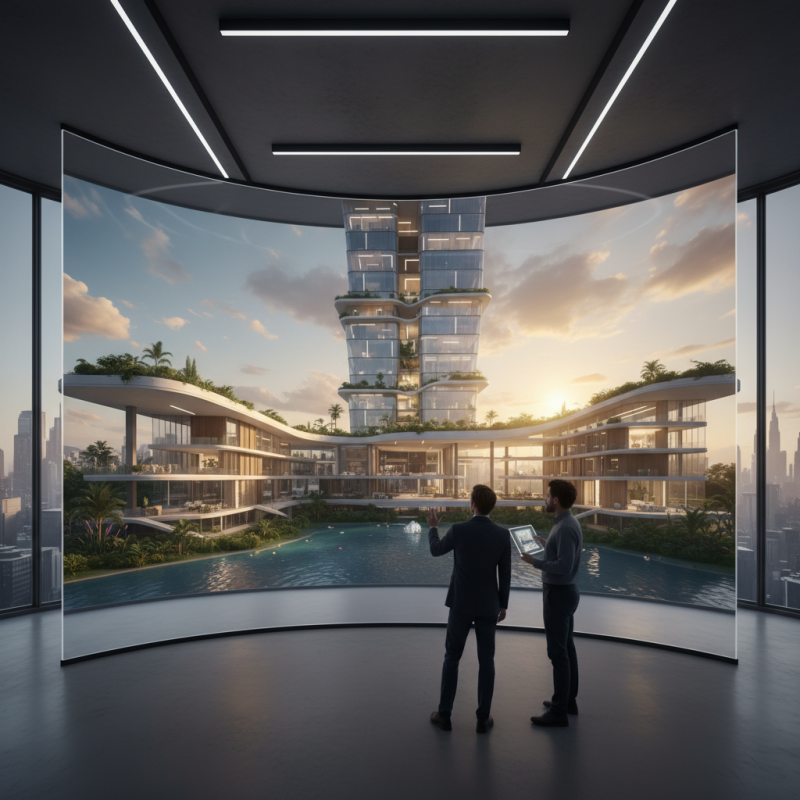
Understanding the Fundamentals of Architectural Animation
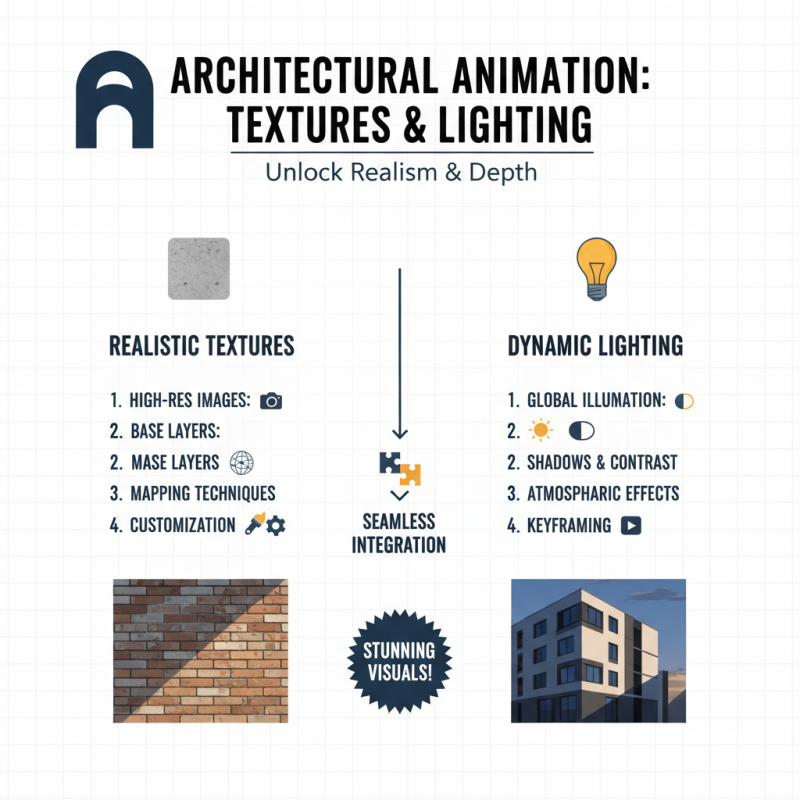
Creating stunning architectural animations requires a solid understanding of the fundamentals. Key concepts include 3D modeling, lighting, and animation principles. Mastering these basics allows artists to bring static designs to life. For instance, using shadows effectively can add depth to any scene. Attention to detail can elevate an animation beyond expectations.
**Tips:** Focus on creating realistic textures. This enhances the overall appeal. Use reference images to mimic real-life materials accurately. Simulated natural light can create a more inviting atmosphere. Experiment with movement types. Small, fluid motions can convey a sense of realism.
Another critical aspect is storytelling. An engaging narrative can captivate the audience. Consider the flow of the animation. Jarring transitions may confuse viewers. Each scene should connect smoothly. Pay attention to pacing. Too fast can overwhelm; too slow can bore. Evaluate how viewers might interpret your choices. Reflect on your techniques and seek improvements constantly.
Choosing the Right Software for Architectural Animation
Choosing the right software for architectural animation is crucial. Different projects require different tools. Some software can create beautiful visuals but may have a steep learning curve. Others might be user-friendly but lack advanced features. It's essential to assess your own skills and project needs.
Consider the kind of animation you want to create. If you aim for photorealism, look for software that excels in rendering. Check user reviews and tutorials to understand the workflow. This will help in avoiding frustration later. Some platforms offer great libraries of models, which can save time and effort. This can be a huge plus for newcomers.
However, even the best tools come with challenges. Software updates can introduce bugs or change workflows unexpectedly. Stay adaptable and ready to learn. It can be disheartening to encounter problems, but overcoming them often leads to greater skills. Embrace the journey, even with its bumps.
Incorporating Camera Movements for Dynamic Presentations
Dynamic presentations in architectural animation hinge on effective camera movements. According to a report by the Architectural Institute of America, animations with strategic camera angles can increase viewer engagement by 40%. These movements not only showcase design details but also evoke emotions, drawing viewers into the experience. For instance, a slow dolly-in can heighten anticipation, while a sweeping aerial shot can reveal the scale of a project.
The art of camera movement is intricate. It's not just about panning left or right. Some animations miscalculate transition speeds, resulting in a disjointed flow. A report from the Society of Architectural Visualization indicates that 30% of viewers find erratic camera motions distracting. Experimenting with different techniques, like a smooth tracking shot or a subtle tilt, can enhance storytelling. Balancing creativity and technical precision in camera work is vital, yet it often requires careful reflection and revision. Many animators overlook this aspect, but it's where true engagement happens.
Tips for Post-Production and Rendering Architectural Animations
Creating stunning architectural animations requires not just creativity, but also meticulous attention to detail during post-production and rendering. A report from the Architectural Visualization Industry states that 70% of successful projects incorporate high-quality renderings to attract clients. This highlights the importance of effective post-production techniques. Adjusting colors and lighting can drastically improve visual impact. A stark contrast might not always be ideal. Subtle tones often enhance realism.
Rendering time is a common challenge. Latest trends suggest that opting for cloud rendering can reduce time by 40%. But, rendering can still be unpredictable. It’s crucial to optimize your settings. Sometimes, heavy textures lead to longer processing times. Inadequate resolution can lead to pixelation, detracting from the overall quality. Balancing quality and efficiency may be an ongoing struggle.
Many architects and artists fail to understand the impact of sound design. Sound often enhances an animation’s storytelling. Using the right audio can make viewers feel immersed. Yet, a poorly chosen sound can detract from visual elements. It’s easy to underestimate sound in architectural presentations. Attention to this detail often separates good animations from great ones.