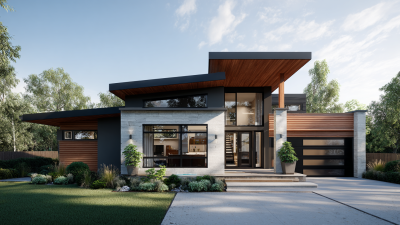
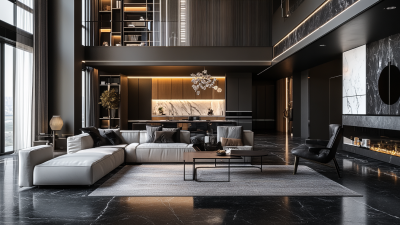
10 Tips to Enhance Your 3D House Rendering for Increased Client Engagement
In the ever-evolving landscape of architectural visualization, the importance of 3D house rendering has never been more pronounced. According to a recent report by the American Institute of Architects, nearly 70% of clients prefer visual aids, such as 3D renderings, over traditional blueprints when making decisions about their home designs. This shift in client engagement underlines the necessity for architects and designers to enhance their rendering techniques, ensuring that their visual presentations captivate and convey the intended message effectively.
As industry expert Sarah Bennett, a leading figure in architectural visualization, states, “The power of a well-crafted 3D house rendering lies in its ability to create an emotional connection with clients, allowing them to visualize their future homes in ways that static images simply cannot.” This capability to evoke emotions and foster connections is crucial in a competitive market where client expectations continue to rise. By adopting innovative rendering techniques and incorporating advanced technologies, professionals can significantly improve their engagement rates and enhance the overall client experience.
The following tips aim to provide invaluable insights into refining your 3D house rendering projects, ultimately leading to greater client satisfaction and increased business opportunities in 2025 and beyond.
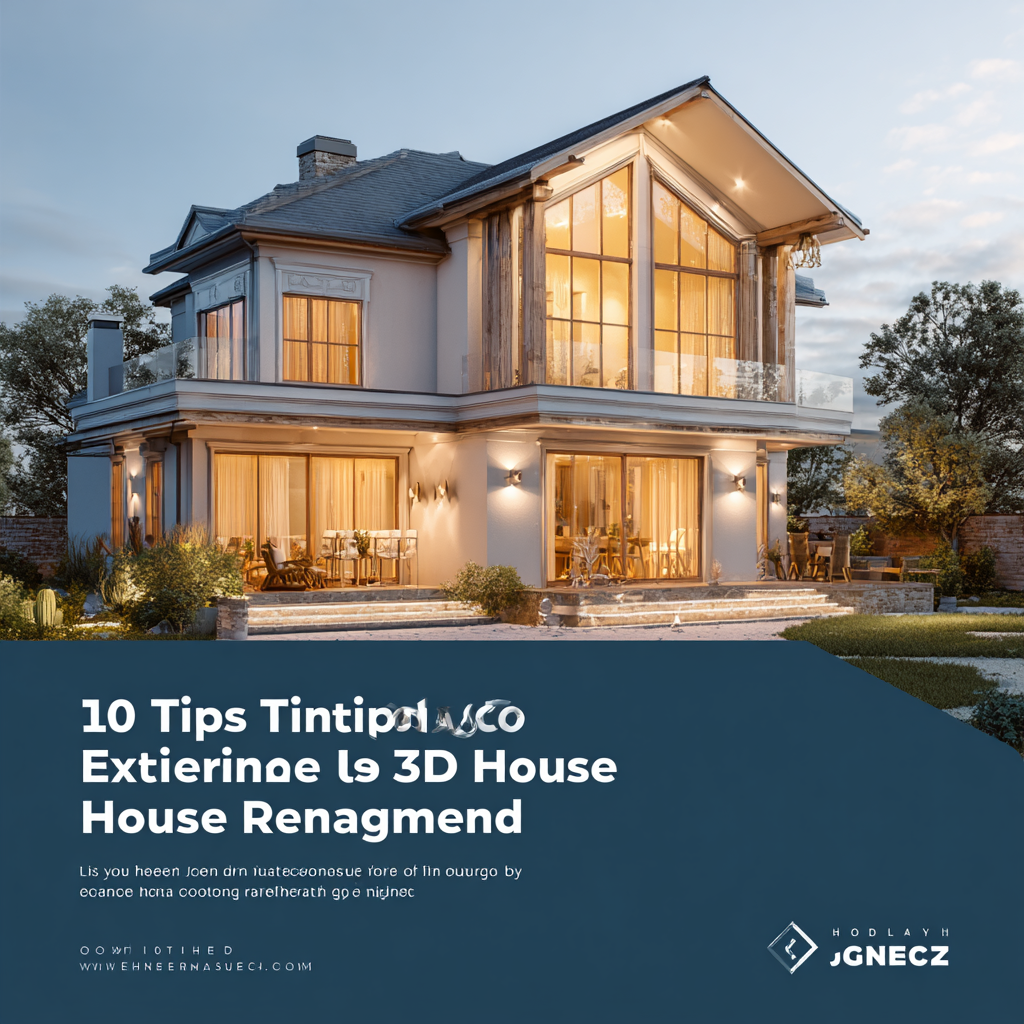
Strategies for Selecting Vibrant Color Palettes to Captivate Clients
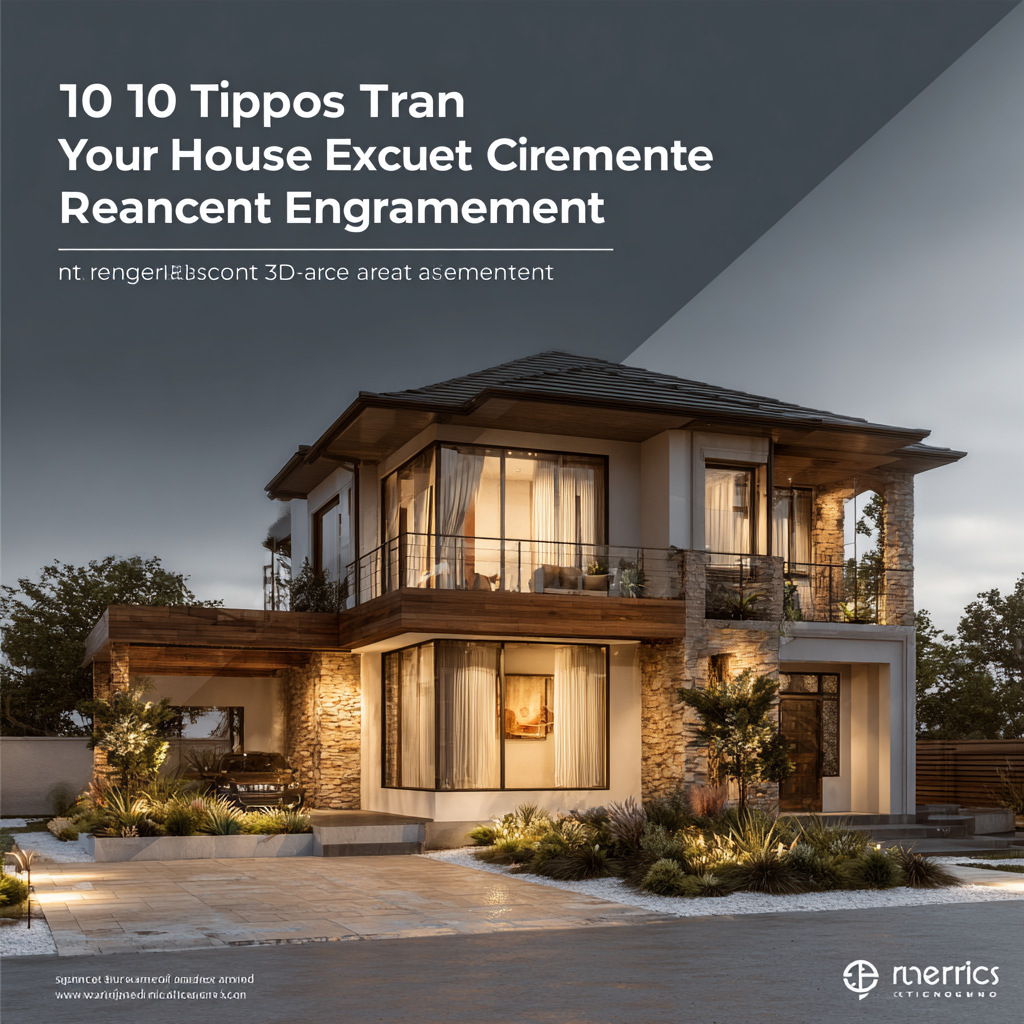 Choosing the right color palette is essential in 3D house rendering, as it not only enhances aesthetics but also captivates clients. A vibrant color scheme can evoke emotions and create a lasting impression. To start, consider the psychological effects of colors; for instance, warm hues like reds and oranges can instill feelings of warmth and energy, while cool colors such as blues and greens often convey tranquility and reliability. By understanding these associations, you can select colors that resonate with your target audience and align with the intended ambiance of the space.
In addition to psychology, balance is key when selecting a color palette. A harmonious blend of colors ensures that no single shade overwhelms the viewer. Incorporating a base color, accent shades, and neutral tones allows for a dynamic yet cohesive design. Tools like color wheels and online palette generators can greatly assist in visualizing combinations and their impact. Ultimately, a thoughtfully curated color palette not only enhances the visual appeal of your 3D renderings but also plays a pivotal role in engaging clients and bringing your vision to life.
Incorporating Realistic Textures for Enhanced Visual Appeal
In the realm of architectural visualization, the significance of incorporating realistic textures cannot be overstated. A study by Statista highlighted that over 86% of clients reported a preference for renderings that closely resemble the final built environment, emphasizing the need for high-quality, lifelike materials. Textures like wood, stone, and metal not only add depth to the models but also evoke emotions that drive client engagement. For instance, incorporating natural textures can create a sense of warmth and comfort, which is particularly effective in residential projects.
Moreover, a report from the American Institute of Architects states that projects that utilize high-quality visualizations, including detailed textures, have a 30% higher approval rate from clients. This suggests that clients are more inclined to trust and invest in designs that present a clear and realistic vision of their future spaces. As technologies like 3D scanning and photorealistic rendering continue to advance, architects and designers should prioritize the use of realistic textures to enhance visual appeal and ultimately foster stronger client relationships.
Client Engagement Through Enhanced 3D House Rendering
Utilizing Dynamic Lighting Techniques to Showcase Architectural Features
Dynamic lighting techniques play a crucial role in enhancing 3D house renderings, effectively showcasing architectural features and captivating potential clients. The recent ArchLIGHT Summit highlighted innovative approaches in lighting design that can inspire architects and designers to elevate their work. By integrating captivating light effects, they can highlight textures, shapes, and materials, transforming ordinary scenes into extraordinary visual experiences.
To achieve this, consider utilizing contrasting light sources to create depth. For instance, combining ambient light with focused spotlights can accentuate unique architectural elements, such as intricate moldings or artistic installations. Additionally, experimenting with color temperature can evoke different moods—warm hues create an inviting atmosphere, while cooler tones project modernity and sophistication.
Incorporating motion through dynamic lighting can further enhance engagement. The latest technology allows for animations that simulate changing light conditions throughout the day, providing clients with a realistic representation of how spaces will feel in various environments. These techniques not only bring designs to life but also encourage deeper emotional connections, leading to more informed and enthusiastic client feedback.
Integrating Interactive Elements to Boost Client Engagement
Integrating interactive elements into your 3D house renderings can significantly enhance client engagement. One effective approach is to utilize virtual reality (VR) technology, allowing clients to immerse themselves in the design before it’s built. This interactive experience enables them to explore spaces from various angles and gain a better understanding of the layout and flow. Additionally, 3D walk-throughs can be a game-changer, providing clients with a guided tour through their future home, which can help in visualizing the scale and feel of each room.
Another impactful tip is to incorporate clickable features within your renderings. For example, adding hotspots that reveal color palettes, material samples, or design options upon interaction can cater to clients’ preferences directly. Providing a space for clients to play around with finishes or layouts fosters a personalized experience. Furthermore, consider integrating feedback tools that allow clients to leave comments or suggestions directly on the rendering, encouraging them to engage more actively in the design process. These tools not only enhance their experience but also foster a sense of ownership over the project.
10 Tips to Enhance Your 3D House Rendering for Increased Client Engagement
| Tips |
Description |
Interactive Element |
Expected Engagement Boost (%) |
| 1. High-Quality Textures |
Use realistic textures to enhance the visual appeal of your renders. |
Texture Simulation |
20% |
| 2. Lighting Effects |
Incorporate natural lighting effects for realism. |
Dynamic Lighting Simulation |
25% |
| 3. Interactive Walkthroughs |
Allow clients to navigate through the space. |
VR/AR Walkthrough |
30% |
| 4. 360-Degree Views |
Provide full panoramic views of the space. |
Interactive 360 Viewer |
27% |
| 5. Customizable Elements |
Let clients personalize finishes and colors. |
Color Picker Tools |
35% |
| 6. Animations |
Use animations to showcase features. |
Feature Animation |
22% |
| 7. Contextual Environments |
Surround the model with relevant outdoor settings. |
Environmental Simulation |
18% |
| 8. Accessibility Features |
Consider features for all potential users. |
User Accessibility Options |
15% |
| 9. Detailed Landscaping |
Enhance exterior models with landscaping elements. |
Landscaping Options |
20% |
| 10. Feedback Integration |
Incorporate client feedback directly into models. |
Feedback Tools |
28% |
Emphasizing Contextual Landscaping for a Realistic 3D Environment
Incorporating contextual landscaping
into your 3D house renderings can significantly enhance their realism and appeal.
By paying careful attention to the surrounding environment, you create a more immersive
experience for potential clients.
Trees, shrubs, and flowers should not only complement the architectural design but
also reflect the typical landscape of the area where the house is located. This
attention to detail helps clients visualize how the home would coexist with its
natural surroundings, thus enhancing their emotional connection to the property.
Additionally, incorporating seasonal elements into the landscaping can further engage clients.
For instance, showcasing the house surrounded by vibrant spring blooms or
autumn leaves
provides a dynamic feel to the renderings. It's also essential to consider the scale and
proportion of the landscaping elements, ensuring they harmonize with the home. By utilizing
textures and colors that resonate with the architectural style, you create a cohesive
and inviting scene that captures the essence of a lived-in home. This strategic integration
of context not only elevates the quality of the rendering but also leads to greater client
interest and engagement.