Essential Tips for Effective 3D Architectural Rendering?
In the realm of architecture, 3D architectural rendering has become a cornerstone. A recent report indicates that the global architectural visualization market is growing at a compound annual growth rate (CAGR) of 15%. This trend reflects the increasing demand for high-quality visual representation in design projects. Clients expect realistic and immersive presentations that can bring their visions to life.
However, the pursuit of perfection in 3D architectural rendering is not without challenges. Many professionals struggle with inconsistent lighting or inaccurate textures, leading to incomplete narratives. Skepticism can arise when the finished render fails to meet client expectations. One survey revealed that up to 30% of clients expressed dissatisfaction due to miscommunication over visual details. Such gaps in expectation underline the need for constant refinement and dialogue. By engaging in regular feedback loops, architects can better align their renderings with client desires.
Embracing effective practices in 3D architectural rendering requires attention to detail. It also demands a willingness to adapt and learn from past experiences. This journey of improving skills and techniques is essential for success in an increasingly competitive market.
Understanding the Basics of 3D Architectural Rendering
3D architectural rendering is a vital aspect of modern design. It allows architects to visualize their concepts in a realistic manner. This practice has evolved significantly, with reports indicating that engaging visuals can improve project approval rates by up to 70%. Understanding the basics is crucial for effective rendering.
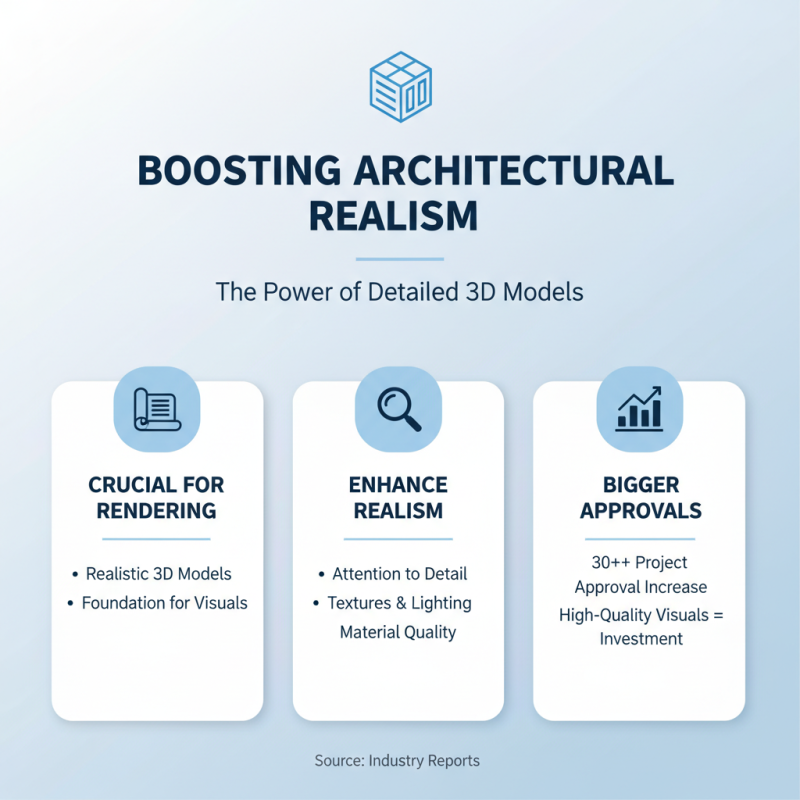
Start with your models. High-quality 3D models form the backbone of any rendering project. Ensure details like texture and lighting are realistically depicted. Many designers neglect these elements, leading to unimpressive results. Effective photorealistic rendering hinges on how well these aspects are integrated.
Consider rendering software tools. Familiarize yourself with various options available. Different tools have unique capabilities, influencing things like workflow and output quality. Not every tool works well for every project. Experimentation is key to finding your best fit. Lighting plays a significant role too; poor lighting can lead to dull visuals. Incorporate natural light and shadows to breathe life into your designs.
Essential Tips for Effective 3D Architectural Rendering
This chart illustrates the importance level of various skills required for effective 3D architectural rendering. Each skill is rated from 0 to 100, highlighting areas crucial for quality results.
Choosing the Right Software for 3D Rendering Projects
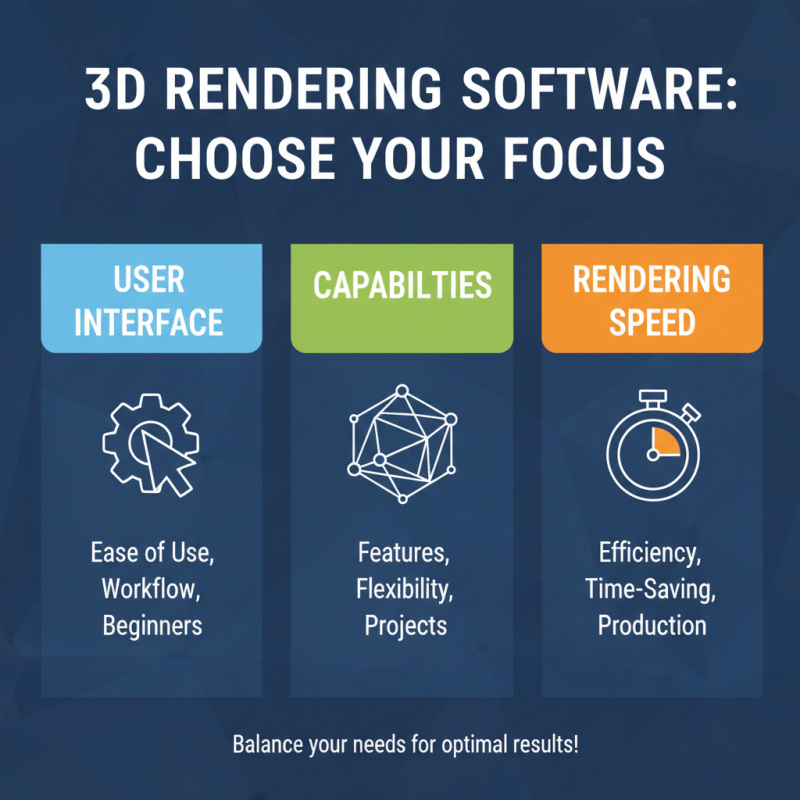
Choosing the right software for 3D rendering projects can greatly impact the outcome of your work. Several options are available, each with unique features. Consider what you need most: user interface, capabilities, or rendering speed? Each choice has its strengths and weaknesses.
Some software excels in ease of use, making it ideal for beginners. Simplicity can foster creativity without distraction. However, you may find these tools limiting as you grow. More advanced software packages offer extensive features but have a steep learning curve. This balance is crucial.
Evaluate your project requirements carefully. What works for one project may not fit another. Don’t be afraid to experiment. A tool that seems perfect today may feel cumbersome tomorrow. Regularly reassessing your software choices can lead to better results. Allow yourself to make mistakes and learn from them.
Essential Techniques for Enhancing Realism in 3D Models
Creating realistic 3D models is crucial for architectural rendering. To enhance realism, attention to detail is key. Industry reports indicate that high-quality visualizations can increase project approval rates by over 30%. This underscores the importance of investing time in techniques that boost the lifelike quality of your models.
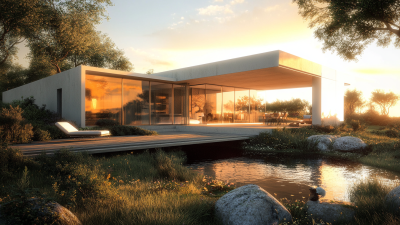
One useful tip is to focus on lighting. Natural light can make a huge difference. Experiment with shadows and reflections to create depth. A well-lit scene can evoke emotions and draw viewers in. Don't shy away from using light in unconventional ways. This can lead to surprisingly appealing results.
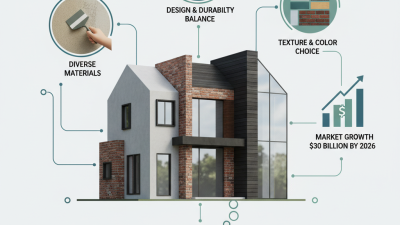
Textures play an equally vital role. Use high-resolution textures for surfaces like wood, brick, and glass. These can make your 3D environment feel authentic. However, be cautious; overdoing textures can make the scene look busy. It's a balancing act. Lastly, consider adding small imperfections. A slight scuff on a floor or worn corner in furniture can add character. Perfect models may not always engage viewers effectively. Embrace some flaws for realism.
Lighting and Texturing Tips for High-Quality Renderings
Lighting plays a crucial role in 3D architectural rendering. It can bring life to a scene or create a dull environment. Using natural light sources can greatly enhance the realism of your renderings. Experiment with different light angles. Observe how shadows fall and how light interacts with surfaces. Soft lighting can create warmth, while harsh lighting may emphasize details but can also overwhelm the scene.
Texturing adds depth and realism to your models. High-resolution textures can make surfaces appear more lifelike. Consider using varied textures for different materials. A wall might need a rough texture, while glass should be smooth. However, oversaturating textures can lead to a cluttered look. Reflective surfaces may require careful attention to avoid unnatural glare. Don’t be afraid to iterate on your texturing choices. Create a balance that enhances the overall aesthetic.
While these tips provide a solid foundation, every rendering presents unique challenges. Flaws may exist in both lighting and texture. It is essential to review your work critically. Identify areas where realism falls short. Learning from mistakes is a vital part of growth.
Best Practices for Presenting and Exporting 3D Architectural Visuals
When it comes to presenting 3D architectural visuals, clarity is key. Start by choosing the correct resolution. High-quality images draw attention, but too large a file can slow down presentations. Balance quality and performance. Use a simple background to keep the focus on your project. A cluttered backdrop can distract from your design.
Exporting visuals requires careful consideration. Choosing the right file format is essential. For web presentations, JPEGs are typically preferred. For high-quality prints, consider TIFFs. Remember to calibrate colors on your screen before exporting. Not all displays show colors the same way.
Experimenting with different lighting settings can also enhance your visuals. Natural light can bring out textures. However, too much contrast might obscure details. Don't hesitate to reflect on your work and seek feedback. Sometimes, the best perspectives come from others. Allow room for improvement in both visuals and your process.
Essential Tips for Effective 3D Architectural Rendering
| Tip |
Description |
Best Practices |
| Lighting |
Use natural and artificial light sources effectively to enhance realism. |
Experiment with different lighting angles, and avoid overexposure. |
| Textures |
Incorporate high-resolution textures for surfaces to add detail. |
Utilize texture mapping techniques to ensure quality at various scales. |
| Camera Angles |
Choose appropriate camera angles for an engaging perspective. |
Use focal length adjustments to create depth in the rendering. |
| Post-processing |
Enhance your renders using software for adjustments and effects. |
Adjust contrast, color balance, and add effects like bloom. |
| Export Settings |
Choose the right file format and resolution for your outputs. |
Use formats like PNG for images and check export settings for clarity. |