Top 10 Exterior Rendering Tips for Stunning Visual Presentations
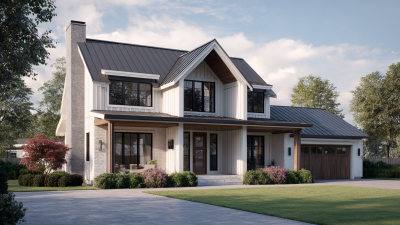
In the world of architecture and design, the importance of visually compelling presentations cannot be overstated. Exterior rendering serves as a vital tool for architects and designers to showcase their visions, allowing clients and stakeholders to visualize the final outcome before construction begins. A stunning exterior rendering not only enhances the aesthetic appeal of a project but also effectively communicates an idea, helping to bridge the gap between concept and reality.
To achieve breathtaking visual representations, it is crucial to implement proven techniques that elevate the quality of your exterior renderings. By paying close attention to aspects such as lighting, materials, and context, designers can create images that capture the essence of their designs while engaging the viewer’s imagination. This guide presents the top 10 tips for mastering exterior rendering, providing insightful strategies that can significantly improve the impact of your visual presentations. Whether you are a seasoned professional or an aspiring designer, these tips will equip you with the knowledge to produce stunning exterior renderings that leave a lasting impression.
Choosing the Right Exterior Rendering Software for Your Project
When it comes to exterior rendering, selecting the right software is crucial to achieving stunning visual presentations. The ideal software should cater to the specific needs of your project, whether it's residential, commercial, or architectural. Key features to consider include user-friendliness, compatibility with design tools, and the quality of the output rendered. Intuitive software can drastically reduce the learning curve, allowing you to focus more on creativity than on navigating complex interfaces.
Additionally, consider the rendering engine's capabilities, such as real-time visualization and photorealistic effects. These features can significantly enhance the impact of your presentation, making the design more relatable and immersive for clients or stakeholders. Another important aspect is the support for various file formats, ensuring seamless integration with other design applications. By carefully assessing these criteria, you can choose the right rendering software that not only meets your artistic vision but also streamlines your workflow, resulting in captivating exterior renderings that leave a lasting impression.
Understanding Lighting: Techniques to Enhance Exterior Visuals
Lighting plays a pivotal role in enhancing the aesthetic appeal of exterior visuals, making it essential for achieving stunning architectural presentations. One of the fundamental techniques is the manipulation of natural light. Positioning the viewpoint to take advantage of the golden hour—the time just after sunrise or before sunset—can cast a warm glow on the surfaces, adding depth and richness to textures. Shadows created at this time also help define shapes, drawing attention to unique architectural details that might otherwise be overlooked.
Additionally, incorporating artificial lighting sources can greatly transform exterior renderings. Soft, diffused lights can illuminate pathways and gardens, creating a welcoming atmosphere. For night-time visuals, strategically placed lights can highlight structural elements while maintaining an air of mystery in shadows, enhancing the overall composition. Furthermore, experimenting with color temperatures of light can invoke different moods; cooler tones can impart a modern feel, while warmer tones can evoke a sense of coziness and tradition. By understanding these lighting techniques, artists can elevate their exterior renderings, ultimately crafting compelling visual narratives that captivate their audience.
Top 10 Exterior Rendering Tips for Stunning Visual Presentations - Understanding Lighting: Techniques to Enhance Exterior Visuals
| Tip Number |
Rendering Tip |
Description |
Lighting Technique |
| 1 |
Use of Natural Light |
Incorporate the sun’s position to create realistic shadows and highlights. |
Directional Lighting |
| 2 |
Time of Day |
Vary your renderings by showcasing different times of day for dramatic effects. |
Ambient Lighting |
| 3 |
Reflective Materials |
Use materials that reflect light to add depth and realism. |
Specular Lighting |
| 4 |
Shadow Play |
Employ shadows creatively to enhance details and dimensionality. |
Hard & Soft Shadows |
| 5 |
Color Temperature |
Adjust the color temperature to evoke different moods and atmospheres. |
Warm & Cool Lighting |
| 6 |
Overcast Effects |
Simulate overcast skies to create even lighting distribution. |
Diffuse Lighting |
| 7 |
Lighting in Action |
Show effects of light through elements like windows and foliage. |
Translucent Lighting |
| 8 |
Highlighting Architectural Features |
Use lighting to bring focus to key elements of the design. |
Accent Lighting |
| 9 |
Contextual Lighting |
Incorporate surrounding elements to provide context and balance. |
Environmental Lighting |
| 10 |
Post-Processing Adjustments |
Enhance your renderings with software for final touch-ups. |
Graphical Editing Techniques |
Selecting Color Schemes That Complement Architectural Styles
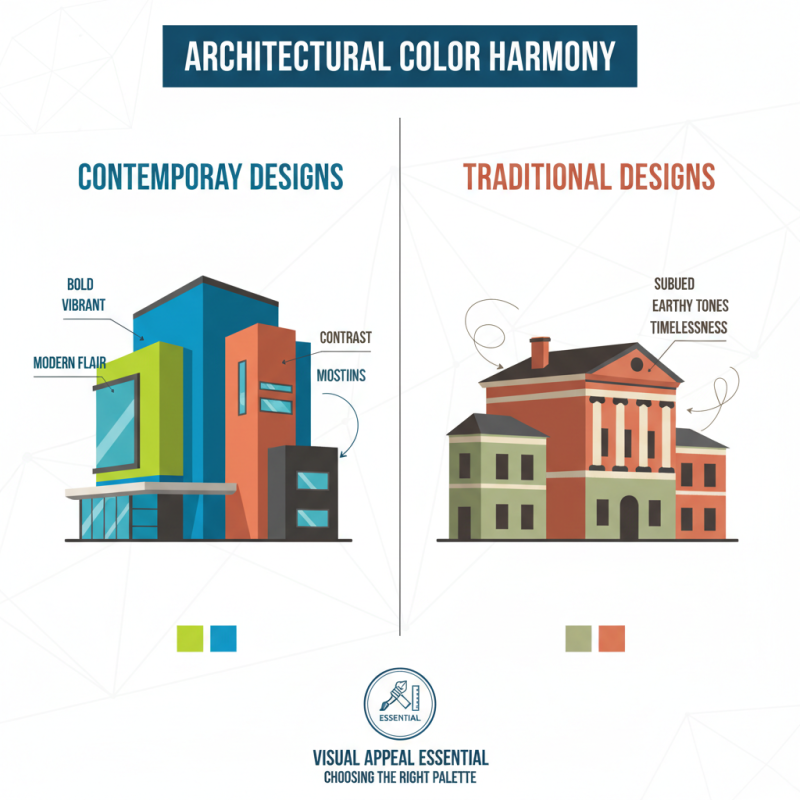
Choosing the right color scheme is essential for enhancing the visual appeal of any architectural style. The color palette should harmonize with the structural elements and overall design language of the building. For instance, contemporary designs often benefit from bold, vibrant colors that create a striking contrast against sleek lines. These palettes can draw attention to specific architectural features and add a modern flair. On the other hand, traditional designs typically thrive with more subdued, earthy tones that lend an air of elegance and timelessness, emphasizing classic shapes and materials.
When selecting colors, it's also important to consider the surrounding environment. Natural hues that reflect local landscapes can enrich the building's integration into its setting. For instance, coastal homes may use soft blues and sandy beiges to mirror the seaside, while mountain lodges might feature richer, woody tones that echo the surrounding forest. By thoughtfully combining color with architectural styles and environmental elements, the overall presentation of a property can be significantly enhanced, resulting in a stunning visual impact that resonates with viewers.
Incorporating Landscape Elements for a Complete Presentation
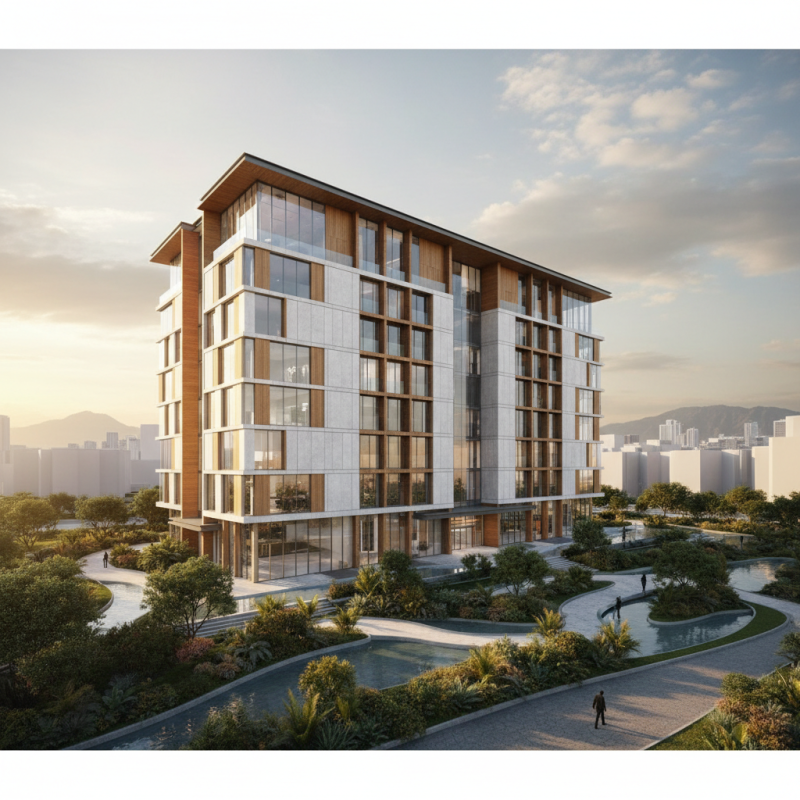
When crafting exterior renderings, incorporating landscape elements plays a vital role in creating a compelling visual presentation. Adding greenery, pathways, and other natural features not only enhances the aesthetic appeal but also provides context to the architectural design. A well-thought-out landscape can act as a frame, guiding the viewer's eyes toward the building while also making the overall scene feel more inviting and complete.
One effective tip is to use varying plant heights and textures to create depth and interest. Layering different species of plants can help simulate a natural environment, making the rendering more relatable. Additionally, consider the seasonal aspects of landscaping; integrating elements like flowering plants or autumn foliage can bring vibrancy and seasonal relevance to your presentation. This attention to detail can transform a standard rendering into a rich, lifelike scene.
Another essential aspect is the inclusion of hardscape elements, such as walkways, patios, or retaining walls. These features can help define areas within the landscape, providing structure to the design. They should seamlessly blend with the architecture, enhancing the composition without overpowering it. By thoughtfully integrating both soft and hard landscape elements, you create a balanced and harmonious visual that fully showcases the exterior rendering.
Mastering Textures and Materials for Realistic Renderings
When it comes to creating stunning exterior renderings, mastering textures and materials is essential to achieve a realistic and captivating presentation. The choice of textures can dramatically alter the perception of materials used in a design, making it critical to select high-resolution images that accurately represent the surfaces. For instance, a rough brick wall should exhibit subtle variations in color and texture, capturing light and shadow in a way that reflects its physical properties. Utilizing bump maps and displacement maps can add depth, enhancing the tactile quality of surfaces and elevating the overall visual appeal of the rendering.
In addition to selecting the right textures, understanding the interaction between materials and lighting plays a vital role in realistic renderings. Different materials have unique reflective properties; therefore, it is crucial to adjust the material properties according to their real-world behavior. For example, metal surfaces should exhibit sharp reflections and a polished look, while wood should maintain a warm, organic feel with soft reflections. By simulating real-world light behavior, including ambient, diffuse, and specular components, artists can create a more believable atmosphere that complements the architectural design. Implementing these techniques ensures a lifelike representation that engages viewers and showcases the design effectively.