What is Real Estate Rendering and How Does it Impact Property Sales
In the competitive landscape of property sales, the visual presentation of real estate plays a pivotal role in attracting potential buyers and making a lasting impression. One of the most effective tools in this regard is Real Estate Rendering, a technique that transforms architectural designs and concepts into lifelike visual representations. By utilizing advanced technology and creative artistry, Real Estate Rendering provides a detailed depiction of properties, showcasing their features and potential in a way that traditional photography simply cannot achieve.
The impact of Real Estate Rendering on property sales is profound. By enabling realtors and developers to present their projects with stunning visual clarity, these renderings help prospects envision their future homes or investment opportunities. This not only accelerates decision-making but also enhances the perceived value of the property, making it more appealing in a crowded market. As buyers increasingly rely on digital platforms for their real estate searches, the importance of high-quality renderings continues to grow, positioning them as an essential tool in the marketing arsenal of any property professional. In essence, Real Estate Rendering is not just about aesthetics; it's a vital component of effective sales strategy in today's real estate environment.
What is Real Estate Rendering?
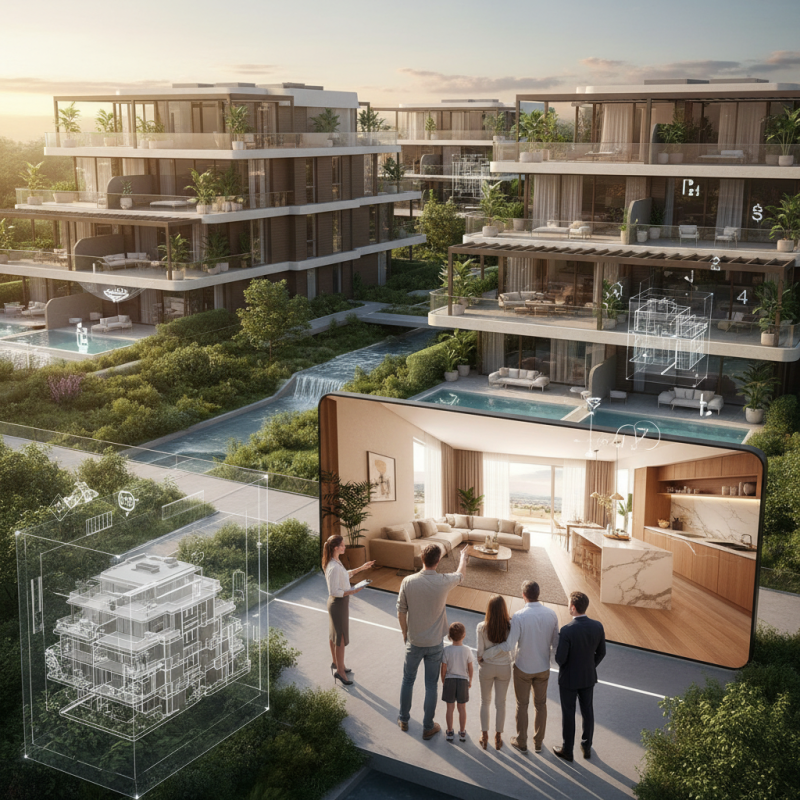
Real estate rendering refers to the process of creating highly detailed and visually appealing representations of properties, either in their current state or how they may look after renovation or development. These digital images can range from simple 2D layouts to intricate 3D visualizations that depict the design, materials, lighting, and surrounding environment. According to a report by the Visual Effects Society, almost 70% of real estate professionals believe that high-quality renders significantly enhance property listings, making them more attractive to potential buyers.
The impact of real estate rendering on property sales is profound. Listings that incorporate these visual tools often see a higher engagement rate. For instance, a study published in the National Association of Realtors found that homes with high-quality images receive 61% more inquiries than those with standard photos. Furthermore, properties showcased with immersive 3D renderings tend to sell 20% faster than those without. This increased interest stems from a buyer's ability to visualize their future in the space, enriching their decision-making process and boosting the potential for faster sales. As the industry continues to evolve, real estate rendering proves to be an indispensable component of modern marketing strategies in attracting buyers.
Impact of Real Estate Rendering on Property Sales
Types of Real Estate Rendering Techniques
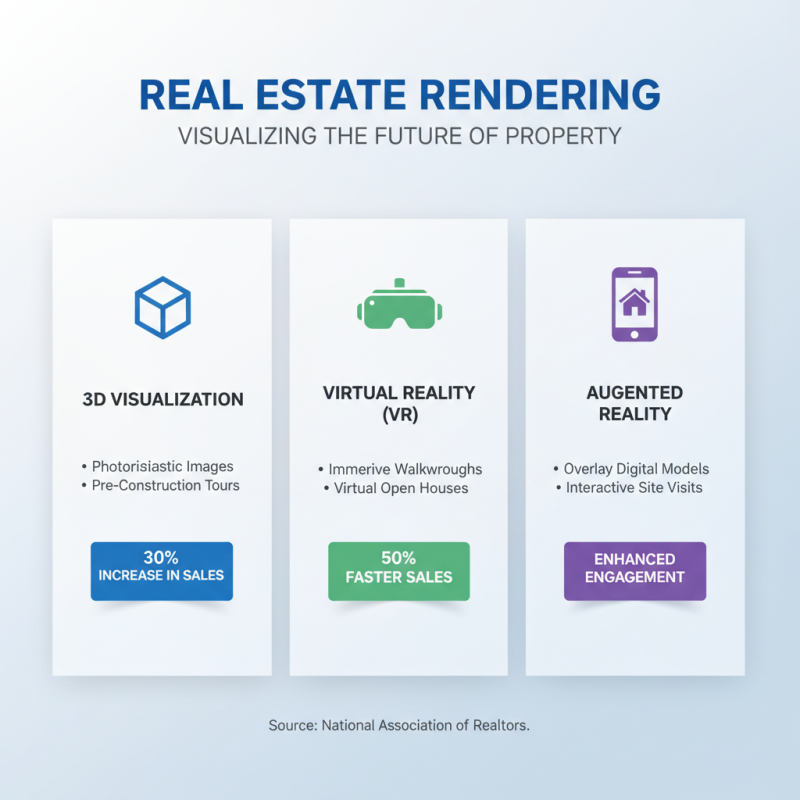
Real estate rendering has become an essential tool in the property market, employing various techniques to create visual representations of real estate projects. Among the most popular types are 3D visualization, virtual reality (VR), and augmented reality (AR). 3D visualization allows potential buyers to view photorealistic images of properties before they are built, often resulting in a 30% increase in sales conversion compared to traditional marketing methods. As reported by the National Association of Realtors, properties that feature high-quality visual representations sell 50% faster.
Virtual reality is taking this a step further by offering immersive experiences, enabling buyers to walk through a property from anywhere in the world. According to a survey by Zillow, 67% of home buyers stated that they would be more inclined to view a home that has a VR tour, emphasizing the growing preference for interactive content. On the other hand, augmented reality brings properties to life by overlaying digital images on real-world views, allowing clients to visualize changes and make decisions on renovations before finalizing their purchases.
Tips: When utilizing real estate rendering techniques, it’s crucial to prioritize quality over quantity. Investing in high-end visualizations can yield significant returns, as stunning visuals are more likely to attract buyers. Additionally, consider integrating features such as 360-degree views to enhance user engagement and interest in the property being sold.
Benefits of Real Estate Rendering for Developers
Real estate rendering has become an indispensable tool for developers in the competitive real estate market. By providing high-quality, photorealistic visualizations of properties before they are built, developers can significantly enhance their marketing strategies. According to a report by the National Association of Realtors, properties presented with compelling visual content can see up to a 95% increase in engagement. This translates to higher interest from potential buyers and investors, ultimately driving sales and reducing time on the market.
One of the primary benefits of real estate rendering is its ability to convey the vision and potential of a property effectively. By utilizing advanced rendering techniques, developers can showcase not just the exterior and interior features but also the ambiance, materials, and even the surrounding environment. A study by the Visual Marketing Group found that listings with high-quality images received 403% more inquiries than those without. This powerful visualization leads to informed decision-making for buyers, establishing a strong emotional connection and facilitating a faster sales process.
Tips: When creating renderings, ensure they accurately represent the final product to build trust with potential buyers. Additionally, consider incorporating virtual tours or 360-degree views to offer an immersive experience. This approach can set a property apart in a crowded market and enhance buyer confidence in their purchasing decisions.
How Rendering Influences Buyer Perception
Real estate rendering has emerged as a pivotal tool in shaping buyer perception in the property market. According to a 2021 survey by the National Association of Realtors, properties that feature high-quality renderings can sell up to 60% faster than those without. This accelerated sales process can be attributed to the ability of renderings to create an emotionally engaging experience for potential buyers. By providing vivid visualizations of future homes or developments, buyers can easily envision themselves in the space, thus increasing their perceived value of the property.
Moreover, a study by the International Real Estate Federation found that 84% of buyers are more likely to consider a property if it includes photorealistic renderings. This statistic emphasizes how essential it is for real estate agents and developers to utilize advanced rendering techniques. The lifelike details in 3D renderings help to highlight the property’s unique features and promote a sense of trustworthiness and professionalism, which are crucial elements during the decision-making process. As buyers increasingly rely on visual content to inform their purchase decisions, the impact of rendering on buyer perception cannot be overstated.
What is Real Estate Rendering and How Does it Impact Property Sales - How Rendering Influences Buyer Perception
| Aspect |
Impact on Buyer Perception |
Percentage of Influence |
| Visual Appeal |
High-quality renderings create a strong first impression. |
75% |
| Realism |
Realistic images help buyers envision living in the space. |
68% |
| Unique Features |
Rendering highlights special characteristics of the property. |
65% |
| Expectations |
Sets realistic expectations regarding space and layout. |
70% |
| Marketing Strategy |
Enhances marketing materials, increasing visibility. |
80% |
| Emotional Connection |
Builds an emotional connection and narrative for the buyer. |
72% |
The Role of Virtual Reality in Real Estate Sales
Virtual reality (VR) is
revolutionizing the
real estate industry, offering immersive experiences that significantly enhance property sales.
A recent report by the National Association of Realtors indicated that 77%
of buyers found virtual tours to be highly beneficial, showcasing their growing importance in the decision-making process.
By allowing potential buyers to visualize properties in 3D and explore every corner of a space remotely,
VR eliminates geographical limitations and attracts a broader audience. This technology not only engages prospective buyers
but also boosts the chances of closing deals faster.
When integrating virtual reality into sales strategies, consider these tips:
First, ensure high-quality visuals and realistic designs in your VR content.
A study from the Real Estate Technology Report showed that properties presented with high-quality renders sold
30% quicker than their lower-quality counterparts.
Second, provide walkthroughs that replicate the experience of being in the property.
This can lead to a 20% increase in buyer engagement and significantly enrich the client experience.
Lastly, keep your VR presentations interactive; allowing users to navigate at their own pace can lead to longer viewing times and increased interest.
As the demand for unique and effective marketing tools in real estate continues to rise, leveraging virtual reality can create
substantial advantages in property sales. By adopting these strategies, agents can not only keep up with market trends
but also drastically improve their sales outcomes.