

Top Tips for Stunning Real Estate Rendering Techniques?
In the competitive world of Real Estate Rendering, creating stunning visuals is essential. According to a recent report, listings with high-quality renderings can see up to a 45% increase in inquiries. This is significant for agents looking to stand out. The aesthetics of a property can captivate potential buyers far beyond traditional photography.
Professionals often face challenges in delivering top-tier renderings. Low-quality images can misrepresent properties, leading to missed opportunities. The industry demands precision and creativity, but some renderers struggle with balancing speed and quality. Insights from industry experts indicate the importance of understanding the specific needs of a target audience. Without this knowledge, even the best visuals might fall flat.
Embracing advanced techniques is crucial. Many companies are now using 3D modeling and virtual reality to enhance their presentations. These innovations not only elevate the visual experience but also save time. However, the pursuit of perfection can lead to excessive revisions or delays. Reflecting on this can help professionals better manage their projects and client expectations.
Understanding the Basics of Real Estate Rendering Techniques
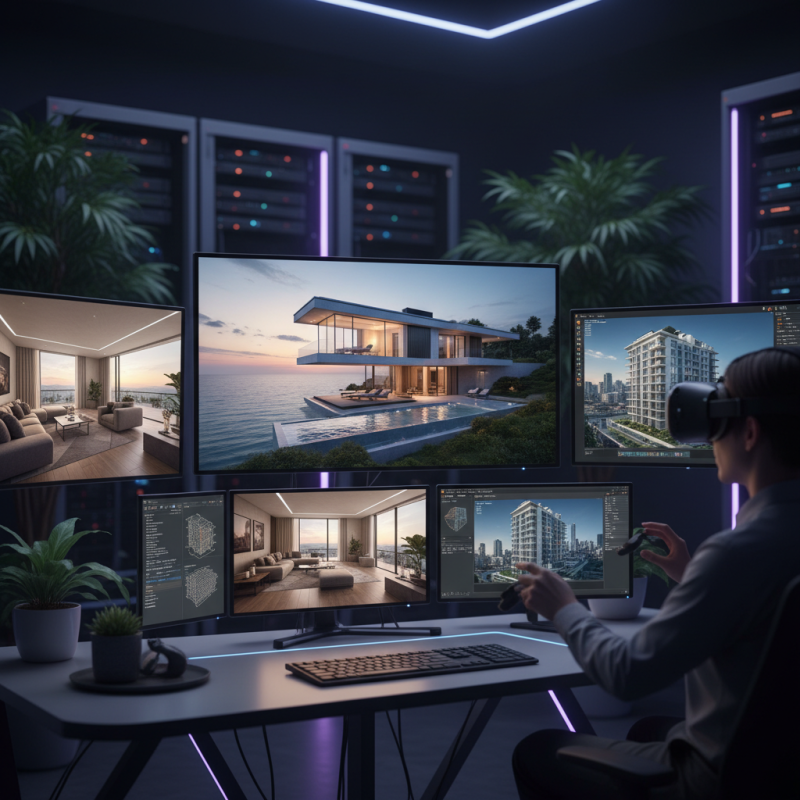
Real estate rendering techniques are essential for visualizing properties. High-quality renderings can boost interest by 40%. They help clients imagine spaces before they are built. Understanding the basics will enhance any project’s impact.
Lighting plays a crucial role in rendering. The right light can bring a room to life. Shadows add depth and realism. However, too much light can wash out details. A 2022 report found that 70% of clients appreciate thoughtful lighting in visuals. Balance is key when using colors and materials in renderings too, as they should reflect the actual space.
3D modeling is another vital component. Accurate models can establish a strong connection with potential buyers. Yet, mistakes in scaling or proportions can mislead clients. A study showed that 30% of buyers were confused by inaccurate representations. It's essential to review all elements carefully before finalizing any renderings. Each detail significantly affects the overall impression.
Top Tips for Stunning Real Estate Rendering Techniques
| Rendering Technique | Description | Benefits | Common Software |
|---|---|---|---|
| 3D Modeling | Creating a three-dimensional representation of a property. | Provides a realistic view and helps visualize space. | SketchUp, Revit |
| Virtual Reality (VR) | Immersive experience allowing clients to explore properties. | Enhances client engagement and decision-making. | Unity, Unreal Engine |
| Photorealistic Rendering | Creating images that look like real photographs of the property. | Helps attract buyers with lifelike images. | V-Ray, Corona Renderer |
| Drone Imagery | Aerial photography and video capturing landscapes and properties. | Provides unique visual perspectives, showcasing large properties effectively. | DJI, Parrot |
| Augmented Reality (AR) | Overlaying digital elements onto the real world through devices. | Allows potential buyers to visualize changes in real-time. | ARKit, ARCore |
Selecting the Right Software for Real Estate Renderings
When choosing software for real estate renderings, consider various factors. The right tool should be user-friendly but also versatile enough to meet your needs.
Look for software that offers realistic lighting and material options. You want to create images that clearly show texture and depth.
Many programs have robust libraries of materials. Yet, some may lack high-quality textures. This can lead to a less-than-stunning final product.
Testing several options can be beneficial to find what works for you. Don’t overlook the importance of community support. A strong user community can provide valuable tutorials and tips.
Another aspect to reflect on is system requirements. Some rendering software demands high-performance hardware. This can be a barrier for those with limited resources.
It’s crucial to balance ambition with practicality. Learning curves vary significantly between programs. Dedicate time to practice and experiment.
Mistakes often lead to breakthroughs in creativity.
Incorporating Lighting Effects for Realistic Visualizations
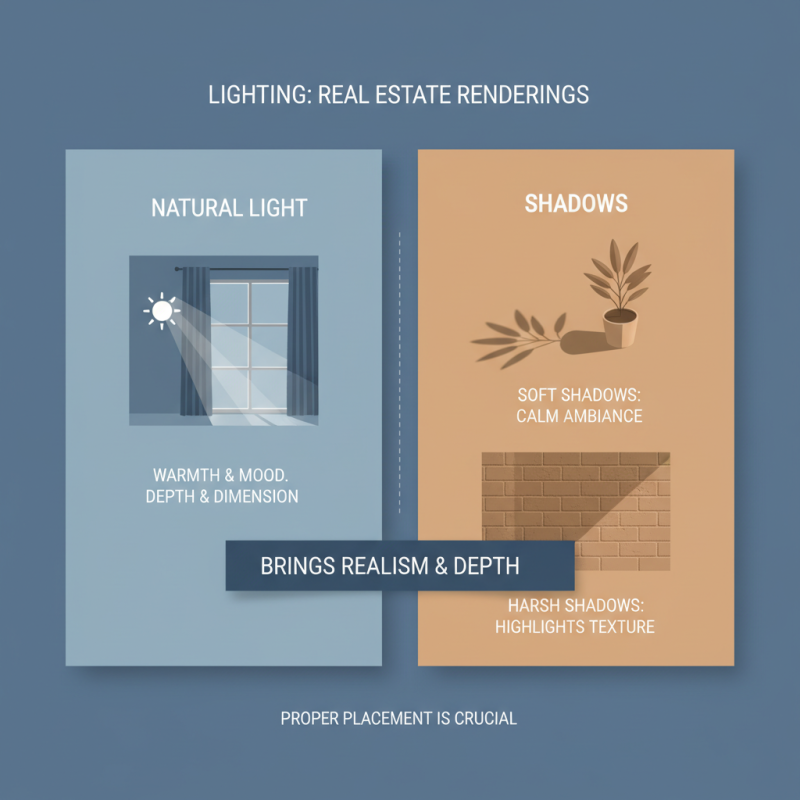
Lighting is crucial for creating realistic real estate renderings. Proper light placement brings depth and dimension to a scene. Consider how natural light floods a room. It creates warmth and sets the mood. Shadows are just as important; they add realism. Soft shadows create a calm ambiance, while harsher ones can highlight textures.
Experimenting with different lighting techniques is essential. Don’t just rely on standard settings. Play with angles and intensity to see how it alters the mood. Try out various times of day. Morning light can feel fresh and inviting, while sunset offers a cozy vibe. Notice how the colors change with different lighting. It’s a subtle but powerful element.
Sometimes, the results may not meet expectations. Renderings can appear too flat or overly dramatic. This is a good opportunity for growth. Analyze what works and what doesn’t. Adjusting light sources, both artificial and natural, can make a big difference. Remember, the goal is to create an inviting and realistic space for viewers. Strive for that balance.
Utilizing Textures and Materials to Enhance Render Quality
Textures and materials play a crucial role in the quality of real estate renders. When utilized effectively, they can bring a project to life. Consider using natural materials for a more organic feel. For instance, wood textures can create warmth and invite viewers in. Combining glass and metal can also provide a modern aesthetic.
One tip is to experiment with different surface finishes. Glossy surfaces can reflect light differently than matte ones. Try using bump maps to add depth. This technique enhances detail and makes surfaces more dynamic. Small imperfections in textures can lend authenticity. A slightly aged wood finish often feels more realistic than a perfect one.
Lighting affects how textures are perceived. Overly bright lighting can wash out details. Using softer, diffused lighting might help showcase textures better. Remember to balance light and shadow for maximum impact. Each piece should invite the viewer to explore further. Don’t hesitate to revisit textures if they seem flat. Always seek feedback. Fresh eyes might notice aspects you missed.
Top Tips for Stunning Real Estate Rendering Techniques
Best Practices for Presenting Real Estate Renderings to Clients
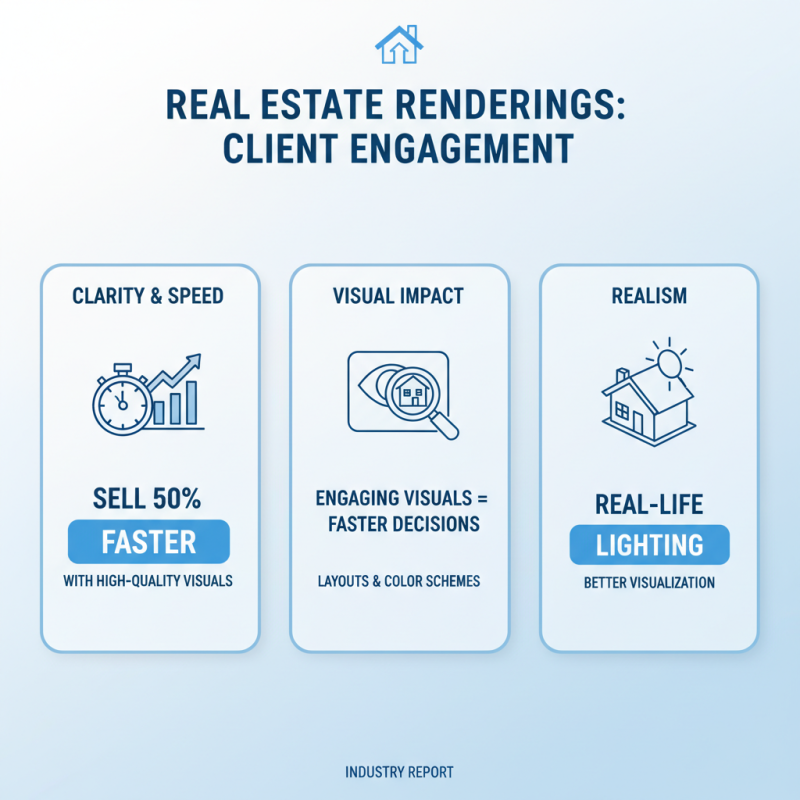
When presenting real estate renderings to clients, clarity is key. Engaging visuals can significantly impact client decisions. According to industry reports, properties with high-quality renderings sell 50% faster than those without. Using clear layouts and color schemes can enhance understanding. Ensure that the lighting in the renderings mimics real-life scenarios. This helps clients visualize spaces better.
Incorporating 3D models can elevate presentations. They allow clients to explore properties in an interactive way. However, overloading visuals with details may confuse viewers. Stick to essential features that highlight the property's strengths. It's essential to strike a balance between impressing clients and providing them with a clear understanding of the space.
Feedback from clients can sometimes be vague. They may not articulate their preferences well. Being open to criticism can lead to better results. Listening closely can help adjust future presentations. Be prepared for revisions. The goal is to create renderings that not only impress but also inform.
Related Posts
-
2026 Best Real Estate Rendering Techniques to Attract Buyers?
-
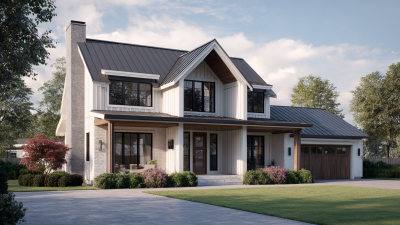
Understanding the Impact of Real Estate Rendering on Property Value Enhancement
-

Navigating the 2025 Tech Landscape: Innovations in Best Exterior Rendering for Global Procurement
-
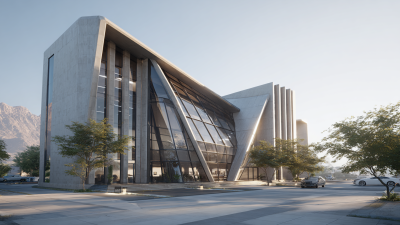
Emerging Trends in Architectural Rendering Technology for 2025 A Comprehensive Guide for Global Buyers
-
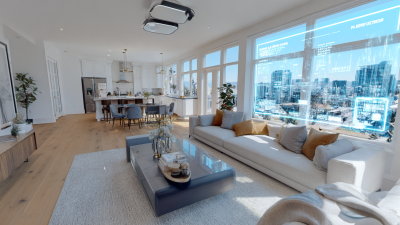
Unlocking the Future of Real Estate Rendering Techniques for Stunning Visualizations
-
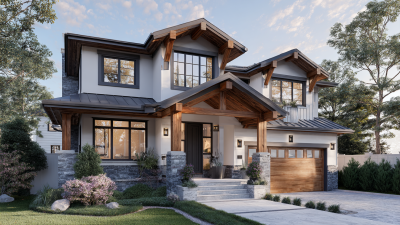
Transform Your Home's Curb Appeal: The Ultimate Guide to Stunning Exterior Rendering Techniques