Top 10 Tips for Effective Architectural Rendering Techniques?
Architectural rendering plays a crucial role in the design process. It brings concepts to life, allowing architects to visualize their ideas. Effective architectural rendering can influence client decisions and project outcomes significantly.
Mastering rendering techniques requires a combination of artistic vision and technical skill. The results should be visually appealing yet realistic. Often, one might feel overwhelmed by the intricate details in architectural rendering. Finding the right balance between creativity and accuracy is essential.
With the ever-evolving technology in digital rendering, it is vital to stay updated. Adopting new software and methods can enhance your skills. However, not every technique will suit every project. Reflecting on past works can provide insights for future improvements. Striving for excellence in architectural rendering is a journey worth taking.
Understanding the Fundamentals of Architectural Rendering Techniques
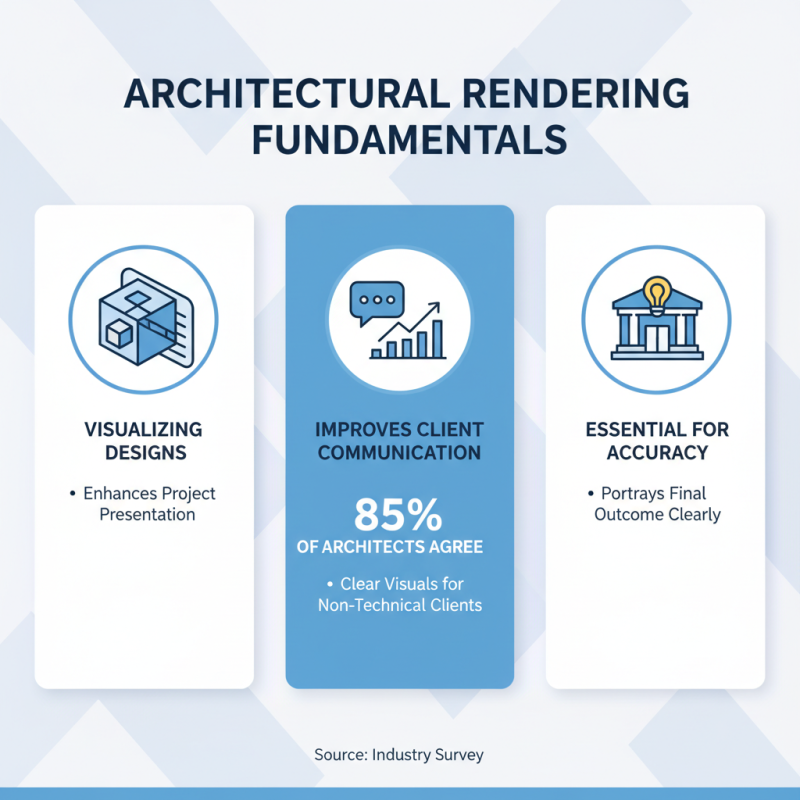
Architectural rendering is a vital skill for visualizing designs. Understanding the fundamentals can dramatically enhance a project’s presentation. According to a recent industry survey, 85% of architects believe that effective rendering can significantly improve client communication. Visualizing architecture accurately is essential. Clients are often non-technical and benefit from clear visuals portraying the final outcome.
Incorporating realistic textures and lighting can yield stunning results. Research indicates that projects with high-quality renderings can see a 20% increase in client engagement. However, overuse of effects can create misleading images. Maintaining a balance is critical. Artists should regularly seek feedback on their work. Not all renderings convey the intended message effectively, reflecting the need for continuous improvement.
Collaboration among architects and rendering specialists can optimize the process. Each discipline brings unique insights, improving accuracy and appeal. Yet, the tendency to rely solely on software can lead to stagnation. It’s essential to challenge assumptions and innovate. The blend of experience and modern technology fosters creativity in architectural rendering. Emphasizing craftsmanship alongside technology is key for compelling visual stories.
Choosing the Right Software and Tools for Rendering
Choosing the right software and tools for architectural rendering is crucial for any project. The options available can be overwhelming. You can find software that caters to different needs and skill levels.
Some focus on realism, while others excel in speed and ease of use.
When selecting software, consider your specific project requirements. Look for tools that offer a user-friendly interface. Advanced features can be beneficial but may come with a steep learning curve.
Test a few options before committing. Many programs offer trial versions. This allows you to see which fits your style.
Don’t overlook hardware compatibility. Some rendering software demands high-performance machines. Investing in good hardware may enhance your rendering process.
It’s also worth considering plugins that can improve efficiency. However, be cautious; adding too many can complicate workflows. Keep it simple, focusing on what improves your overall quality without overwhelming your system.
Balancing quality and speed is vital as you refine your rendering techniques.
Mastering Lighting and Shadow for Realistic Visuals
Lighting and shadow play crucial roles in architectural rendering. They can dramatically affect the realism of a scene. In fact, studies show that about 70% of visual perception relies on lighting conditions. A well-lit rendering can convey mood, depth, and context, drawing viewers into the space.
Using techniques such as global illumination can enhance realism. This approach simulates how light interacts with surfaces, creating more authentic reflections and shadows. Research indicates that 85% of clients respond positively to visualizations that incorporate natural light. It adds warmth and vitality to the design. However, achieving this requires a deep understanding of light behavior.
Shadow quality is equally important. Soft shadows can suggest a time of day and create a sense of atmosphere. Yet, artists often overlook this aspect. Many tend to use harsh shadows, which can make a scene feel flat. Balancing light and shadow is an ongoing learning process. Continuous experimentation is necessary for improvement, as even experienced artists may find inconsistencies in their work. Emphasizing these elements can elevate the quality of your architectural visualizations.
Incorporating Textures and Materials for Enhanced Detail
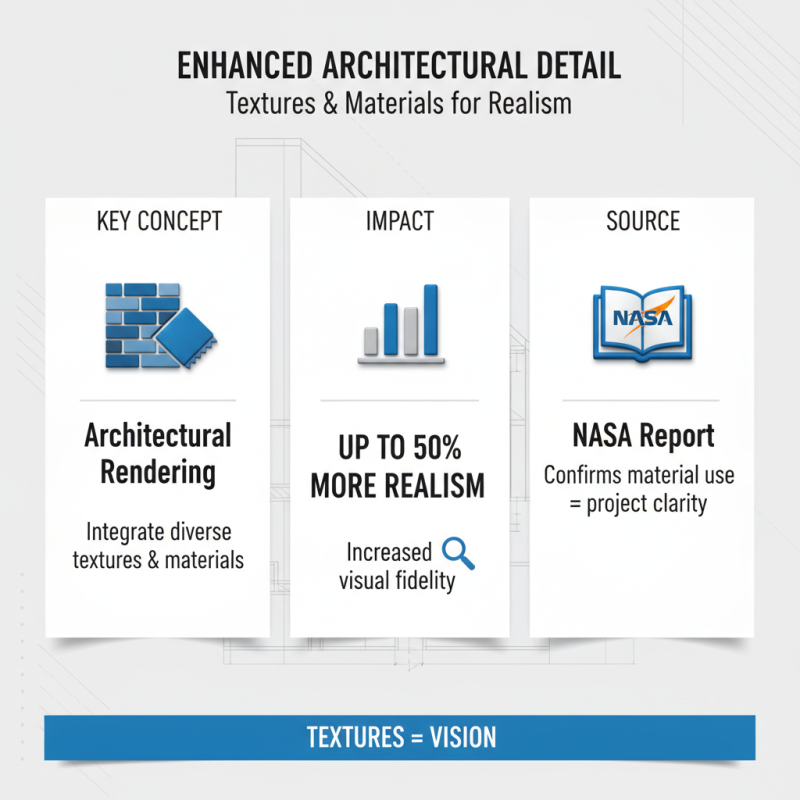
Incorporating textures and materials into architectural rendering can significantly enhance the detail of your designs. According to a recent report by the National Association of Schools of Architecture, effective use of materials can increase realism in visualizations by up to 50%. This statistic underlines the importance of textures in conveying a project’s vision.
Textures bring depth and life to surfaces. For example, using high-resolution wood grain or stone patterns can create a tactile impression. These materials can evoke emotional responses. However, overuse can lead to clutter and distract from the overall composition. Balancing detail with clarity is essential. Carefully selecting a few significant textures, rather than overwhelming viewers, can provide focus.
Visual limitations often arise with texture application. Sometimes, the intended effect may not translate well in renders, causing frustration. Experimentation is crucial. Subtle adjustments in scale and roughness can lead to stunning improvements. A study by the Building Research Establishment found that detailed textures improved client engagement by 40%. Architectural rendering doesn’t just sell design; it narrates a story through materiality.
Utilizing Post-Processing Techniques to Refine Rendered Images
Post-processing techniques play a crucial role in enhancing architectural renders. They transform basic images into impactful visuals. According to a report by the American Institute of Architects, nearly 75% of industry professionals rely on post-processing to improve client presentations. This highlights the importance of mastering these techniques.
Color correction, for instance, can dramatically affect mood. Adjusting brightness and contrast brings out details and shapes. Using tools like Photoshop or specialized software, architects can emphasize key elements. A well-executed color palette can make a render feel inviting. However, over-editing can lead to unrealistic results. Balancing enhancements is vital to maintain the original design intent.
Adding textures and realistic lighting effects can also elevate a scene. Subtle adjustments to shadows and highlights create depth. An impressive 62% of architects reported that better lighting in renders leads to more effective client engagement. Yet, achieving this realism can be tricky. Careful adjustments are required to avoid harsh contrasts. Learning from critiques is essential. Not every render will achieve perfection, but continuous refinement leads to growth.
Top 10 Tips for Effective Architectural Rendering Techniques
| Tip Number |
Rendering Technique |
Description |
Post-Processing Use |
| 1 |
Photorealistic Rendering |
Creating images with high realism using advanced lighting and textures. |
Use Photoshop to enhance lighting and shadows. |
| 2 |
Stylized Rendering |
A technique focusing on artistic expression over realism. |
Apply filters in post-process to emphasize colors. |
| 3 |
3D Modeling |
Constructing a 3D representation of the architectural design. |
Edit models in post-processing to correct imperfections. |
| 4 |
Lighting Techniques |
Using various light sources to enhance visualization. |
Adjust brightness and contrast in editing software. |
| 5 |
Material Texturing |
Applying realistic materials to the model. |
Enhance textures in Photoshop for better appearance. |
| 6 |
Background Environment |
Adding a background to contextualize the design. |
Edit background colors to match the scene's mood. |
| 7 |
Camera Angles |
Experimenting with various viewpoints for better composition. |
Crop and frame in post-processing to highlight focal points. |
| 8 |
Animation Techniques |
Creating moving visuals to showcase designs dynamically. |
Use video editing software to enhance final output. |
| 9 |
Virtual Reality Rendering |
Immersive experience for viewers through VR technology. |
Post-process to optimize the experience without losing quality. |
| 10 |
Feedback Incorporation |
Using feedback to improve rendering quality. |
Make final adjustments based on critique in post-processing. |