
Inquiry
Form loading...
conatctz48
contact US

Top 10 Tips for Stunning 3D House Rendering Techniques?

In the world of architecture, 3D house rendering has become an essential tool. It transforms flat designs into vibrant, lifelike images. This process allows clients to visualize their future homes in astonishing detail. Great 3D house rendering can evoke emotions, making designs come to life. However, achieving stunning results often requires practice and a keen eye.

Many overlook the basics of lighting and texture. These elements can make or break a rendering. A common mistake is relying only on software without understanding design principles. To stand out, one must explore innovative techniques and embrace creativity. This journey can lead to frustration but offers valuable learning experiences.

Focusing on small details, like materials and furniture placement, enriches the scene's realism. Experimenting with colors can also provoke different feelings. While striving for perfection, it’s essential to accept imperfections. Reflecting on areas needing improvement fuels growth in 3D house rendering skills. Embrace the challenges, and the results will be rewarding.

Top 10 Tips for Stunning 3D House Rendering Techniques?

Top Techniques for Achieving Hyper-Realistic Textures in 3D Rendering

Achieving hyper-realistic textures in 3D rendering requires a keen eye for detail and mastery of various techniques. According to recent industry reports, up to 70% of viewers are influenced by texture quality when evaluating renderings. This statistic highlights the importance of texture in creating immersive environments.

One tip is to use high-resolution image maps. These can capture intricate details, offering realism that lower-resolution maps fail to provide. Employing bump maps can also enhance surface details without adding extra geometry. The result? Richness in materials that engages viewers effectively.

Experimenting with lighting plays a crucial role too. Natural light creates soft shadows, making textures appear more authentic. Conversely, harsh lighting can wash out details, leading to flat presentations. Observing real-life examples can guide adjustments in your 3D projects.

Remember the imperfections. No surface is flawless in reality. Slight imperfections add authenticity. A small crack or subtle color variation can make a big difference. Striving for perfection is good, but embracing some flaws will make your renders stand out.

Top 10 Tips for Stunning 3D House Rendering Techniques

Tip No. Technique Description Benefits
1 Use High-Resolution Textures Apply high-resolution textures to surfaces. Enhances realism and detail.
2 Lighting Techniques Implement natural light sources and shadows. Creates depth and dimension.
3 Post-Processing Effects Use software for color correction and effects. Improves overall aesthetics of the render.
4 Modeling Accuracy Ensure precise details in the model geometry. Adds credibility to the design.
5 Environment Integration Blend the house with its surroundings. Creates context and enhances believability.
6 Material Properties Use advanced shaders to define materials. Accurately reflects surface characteristics.
7 Camera Angles Experiment with different perspectives. Showcases design features effectively.
8 Scale and Proportion Maintain realistic proportions in modeling. Ensures visual accuracy and appeal.
9 Color Harmony Choose a cohesive color palette. Enhances visual attractiveness.
10 Feedback and Iteration Seek critiques and refine designs. Leads to a more polished end product.

Importance of Lighting in Creating Depth and Atmosphere in 3D Models

Lighting plays a crucial role in 3D house rendering. It creates depth and atmosphere, bringing designs to life. Effective lighting can enhance textures and materials, making a simple model appear more realistic. Shadows and highlights add dimension, guiding the viewer's eye. A well-lit scene can evoke emotions and set a mood.

However, achieving the perfect balance of light is challenging. Overexposure can wash out details. Conversely, too little light can obscure features. Experimenting with different light sources is key. Natural light tends to create an organic feel, while artificial lights can highlight specific areas. Each choice impacts the visual narrative significantly.

Additionally, consider the time of day for your lighting. A sunset glow offers warmth, while midday light feels more clinical. Pay attention to how light interacts with colors. Some shades may appear flat under harsh lighting. Be ready to make adjustments. This part of rendering often requires reflection and a willingness to learn. Embrace imperfection; it provides room for growth.

Utilizing Advanced Rendering Software for Enhanced Visual Outputs

In the ever-evolving world of architecture, advanced rendering software plays a crucial role in creating stunning 3D house visuals. According to a recent industry report, 85% of architects agree that high-quality renderings significantly enhance client presentations. This technology allows for intricate details and lifelike textures that captivate viewers. However, mastering such software can be challenging.

When utilizing rendering tools, it’s essential to pay attention to lighting. Realistic lighting can elevate your design. Experiment with natural and artificial sources. Soft shadows can add depth and warmth to your scenes. Consider using HDR images for realistic reflections and ambient light.

Another tip involves material selection. The texture of surfaces can drastically change a rendering's impact. Aim for a variety of materials that imitate real-world counterparts. This will prompt viewers to engage and visualize the space convincingly. Yet, overdoing textures can sometimes lead to a cluttered appearance. Balance is vital.

Incorporating landscaping into renderings adds realism. Plants and trees frame the house beautifully. Many professionals underestimate this aspect. Integrating the environment can make your work stand out. The details manifest the character of the home. Use software tools to simulate seasonal changes in foliage for stunning effects.

Incorporating Real-World Data for Accurate Architectural Representations

Incorporating real-world data into 3D house rendering can significantly enhance the accuracy of architectural representations. Utilizing geographic information, like terrain and topography, allows for more realistic settings. This can make a design feel more integrated into its environment. Accurate climate data helps in understanding how a building will respond to different weather conditions. This aspect can influence materials used, as well as design choices.

Using datasets about the local area can also add life to the renderings. For example, showing nearby buildings, street layouts, and vegetation creates context. Adding details, like sunlight angles throughout the day, allows for better evaluations of how the space interacts with its surroundings. However, relying heavily on data can lead to over-complication. Sometimes, a simpler approach may convey the vision of a project more effectively.

Balancing realism and artistic expression can be a challenge that designers must navigate.

Lastly, while technology aids in achieving precision, it's important to remember imperfections. Real-world scenarios involve unpredictability. Not every detail captured is necessary for the design's intent. A little room for interpretation can sometimes invoke deeper connections. This balance between accuracy and artistry is key to effective 3D rendering.

The Role of User Feedback in Refining 3D Rendering Techniques

Top 10 Tips for Stunning 3D House Rendering Techniques?

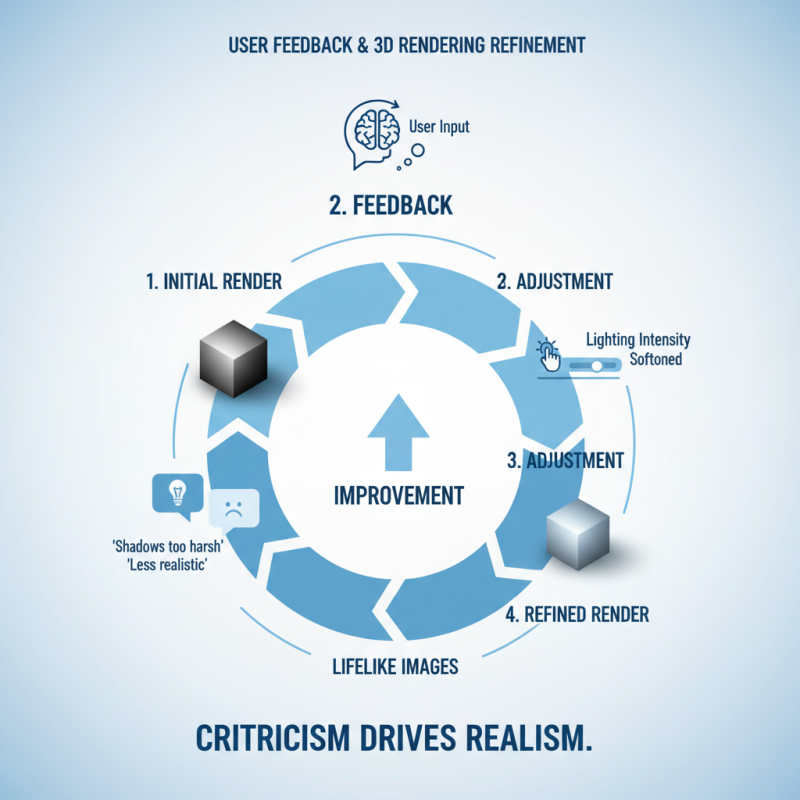
User feedback plays a crucial role in refining 3D rendering techniques. Designers often rely on criticism to enhance their work. For instance, a simple comment on lighting can lead to dramatic changes. If users find a shadow too harsh, the rendering can look less realistic. Adjustments based on feedback create more lifelike images that resonate with viewers.

Incorporating user suggestions is essential for improvement. They may point out odd angles or unappealing color schemes. Addressing these issues can transform an average rendering into something stunning. However, not every piece of feedback is constructive. Some comments may lack clarity or seem unfounded. It's vital to discern valuable input from noise. This process requires self-reflection and a willingness to adapt. Balancing artistic vision with user experiences often leads to the best outcomes.

Name(required)

Message(required)

VISIT US

GuangZhou

Room 2301, building A, poly zhongyu plaza, no. 626 tianhe north road, guangzhou, China

Phone/WhatsApp

+86 13392497798

Email

lights@chinarendering.com