Unlocking the Future of Design with 3D Home Rendering Technology
The advent of 3D home rendering technology is revolutionizing the architecture and interior design landscape, providing unprecedented capabilities for visualization and client engagement. According to a report from the American Institute of Architects, more than 75% of architects now incorporate 3D visuals in their presentations, underscoring the importance of this technology in enhancing communication and understanding between designers and clients. Furthermore, a market analysis by Allied Market Research predicts that the global market for 3D rendering will reach $1.2 billion by 2026, growing at a CAGR of 26.5% from 2019 to 2026. This surge highlights a growing preference for the immersive experience that 3D home rendering offers, allowing stakeholders to virtually interact with designs before they are constructed. As more design professionals adopt this innovative tool, the potential for creative expression and project efficiency continues to expand, ultimately shaping the future of design in profound ways.
Understanding the Basics of 3D Home Rendering Technology
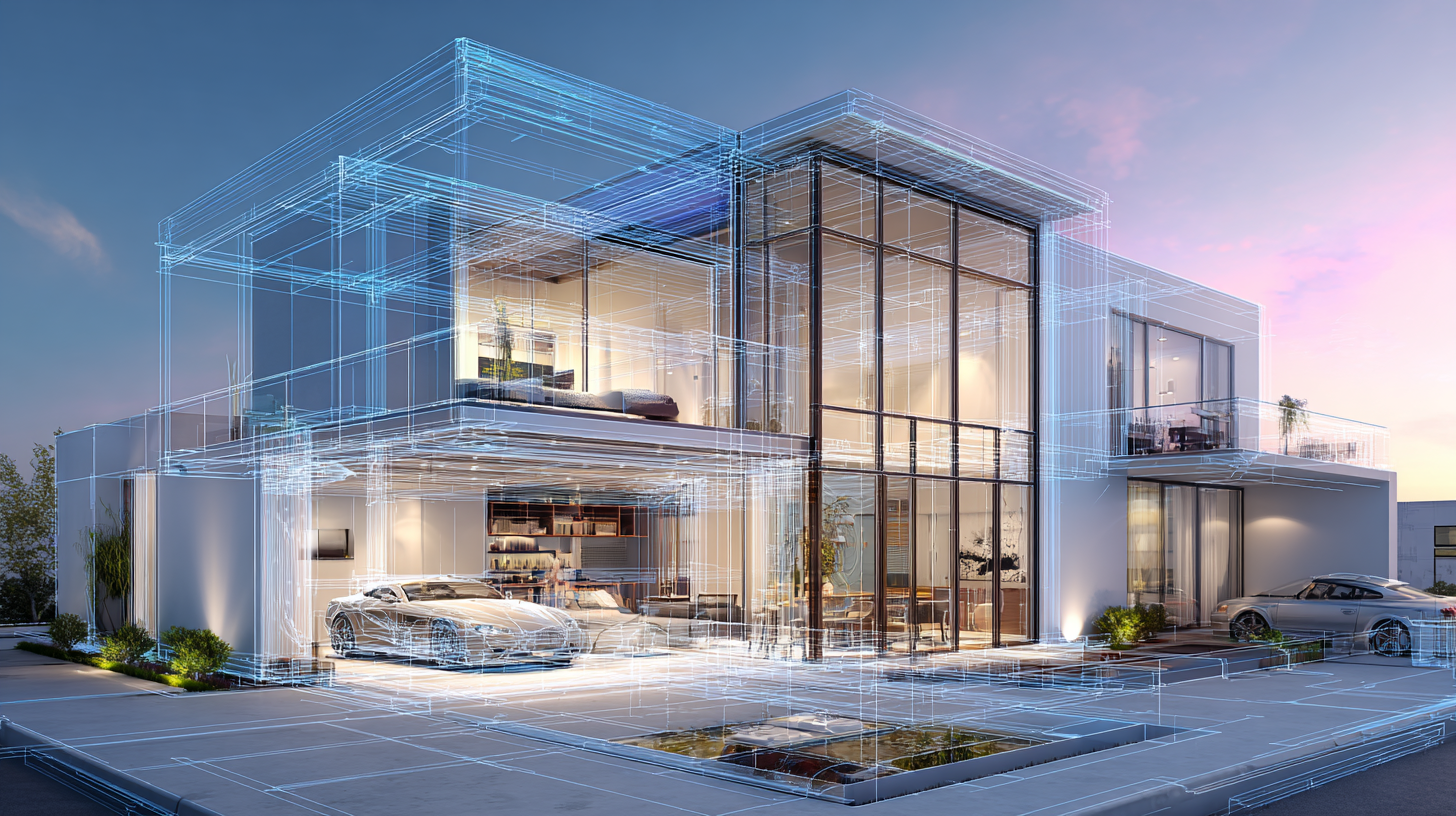
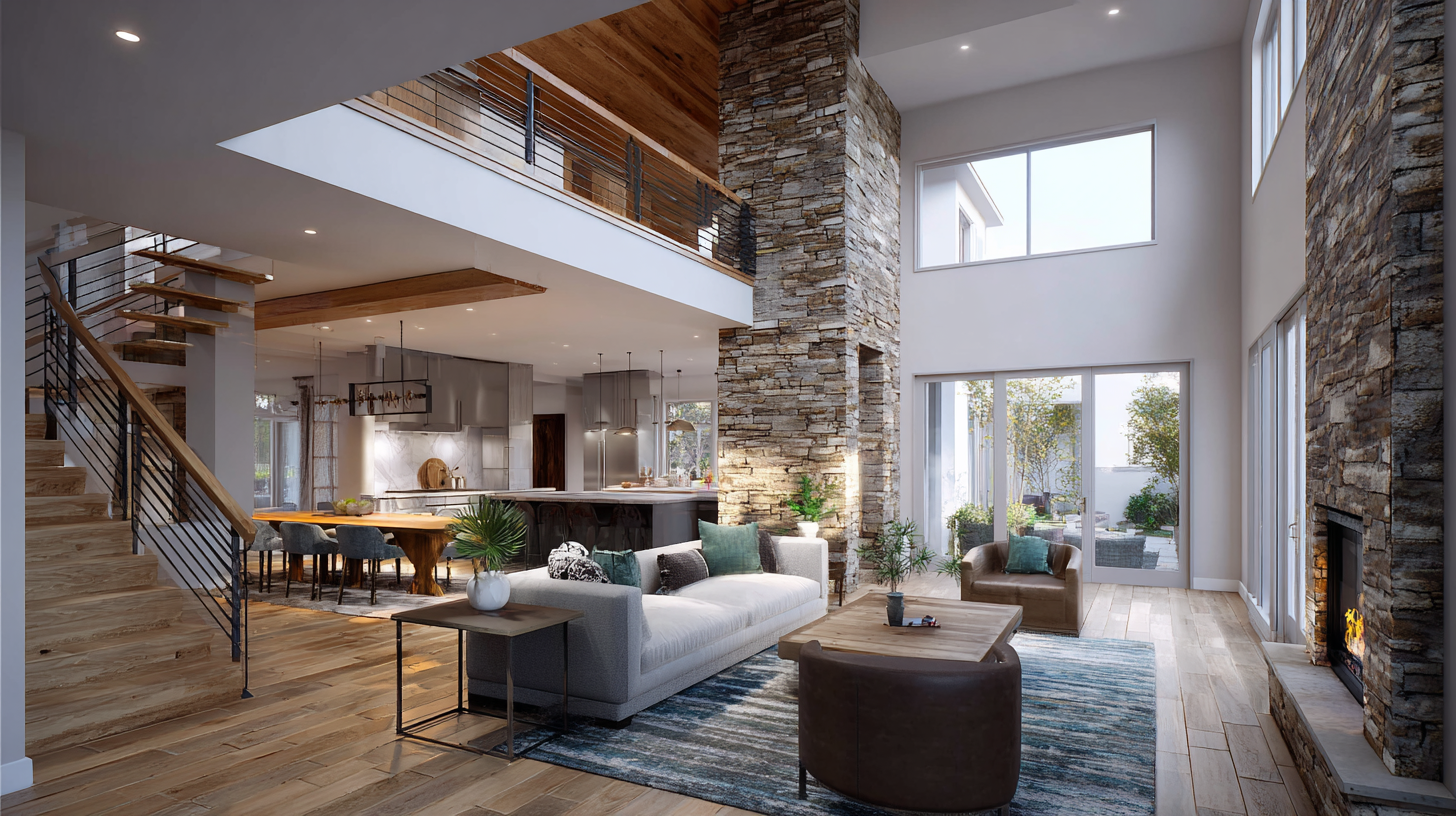 3D home rendering technology is revolutionizing the design landscape by offering architects and homeowners an advanced tool for visualizing spaces before they are built. This technology involves creating three-dimensional representations of home designs that provide a realistic view of how spaces will look, feel, and function. By utilizing software that incorporates advanced algorithms and high-quality graphics, designers can create immersive environments with intricate details such as lighting, textures, and materials, allowing clients to walk through and interact with their future homes virtually.
Understanding the basics of 3D home rendering technology begins with recognizing its components. The process typically starts with drafting a blueprint or floor plan, followed by modeling the structure in a 3D environment. From there, designers can apply various design elements—color schemes, furniture placement, and landscaping—to complete the visualization. The integration of virtual reality (VR) further enhances this experience, enabling users to experience the space as if they were physically there. As technology continues to advance, the capabilities and applications of 3D rendering will only expand, providing even more innovative solutions for home design.
The Benefits of 3D Rendering in Modern Home Design
The integration of 3D rendering technology in modern home design has transformed the way architects and homeowners visualize spaces. One of the primary benefits of 3D rendering is its ability to provide a realistic representation of a project before it is built. This allows clients to see their future home in great detail, including textures, lighting, and even landscaping. With such immersive visualization, clients can make informed decisions, ensuring that their preferences are accurately captured in the final design.
Moreover, 3D home rendering enhances communication between designers and clients. Traditional 2D drawings often lead to misunderstandings; however, 3D models create a more intuitive representation of the space. Clients can navigate through virtual tours, offering feedback on design elements in real-time. This collaborative approach streamlines the design process, reducing revisions and ultimately saving time and costs. As the demand for personalized and efficient design solutions continues to grow, 3D rendering technology stands out as an essential tool in the modern home design landscape.
Choosing the Right Software for 3D Home Rendering
When it comes to 3D home rendering technology, selecting the right software is pivotal in unlocking its full potential. The market is filled with various options, each offering unique features tailored for different user needs, from novice designers to seasoned professionals. Look for software that provides intuitive controls, high-quality render outputs, and robust support for different file formats. Also, consider whether the software caters to architectural visualization, interior design, or real estate marketing, as each focus area may require specific functionalities.
Tips: Ensure that the software you choose has a user-friendly interface so that you can quickly learn and become proficient. Set aside time to explore the built-in tutorials or online resources that many platforms offer. This can significantly enhance your design process and creative output.
Moreover, compatibility with other tools is crucial. Software that integrates seamlessly with programs for 2D drafting or project management can streamline your workflow and save you time. It's also wise to check if the software includes cloud storage options for easy access to your projects from anywhere.
Tips: Always take advantage of free trials to assess the software's performance before committing to a purchase. This allows you to evaluate if its capabilities align with your project requirements.
Step-by-Step Guide: Creating Your First 3D Home Render
Creating your first 3D home render can seem daunting, but with a step-by-step approach, you can navigate the process easily. According to a report by Allied Market Research, the global 3D rendering market is projected to reach $10.5 billion by 2025, highlighting the increasing reliance on 3D technologies in design and architecture. This growing trend underscores the importance of mastering 3D home rendering to stay competitive in the field.
To get started, choose the right rendering software that meets your design needs. Tools like SketchUp, Blender, and V-Ray offer various features for beginners to advanced users. Begin with a simple floor plan and gradually add elements like walls, furniture, and textures. Remember, attention to detail is key—realistic lighting and shadows can significantly enhance your render's appeal.
**Tips:** As you work, consider experimenting with different color palettes and materials to see how they affect the overall ambiance of your space. Additionally, leveraging resources like online tutorials and forums can provide valuable insights and techniques from experienced designers. Engaging with these communities can also foster networking opportunities and inspiration for your future projects.
Tips for Presenting 3D Renderings to Clients and Stakeholders
When presenting 3D renderings to clients and stakeholders, the key lies not only in visual appeal but also in conveying precision and purpose. A study by the American Institute of Architects highlights that over 70% of clients prefer 3D visualizations over traditional 2D plans, as they provide a clearer understanding of spatial relationships and material usage. This preference shows the significant impact that effective presentation can have on project approval rates and stakeholder engagement.
To enhance presentations, it’s crucial to integrate storytelling into the visual elements. By combining high-quality renderings with a compelling narrative about the design journey, architects can evoke emotional connections and facilitate discussions around design intent. Additionally, employing interactive technologies, such as virtual reality or augmented reality experiences, can help clients visualize the final product even more vividly, thus increasing their investment in the project. As highlighted in recent industry reports, firms that adopt interactive presentations actually see a 30% increase in client satisfaction and retention. This approach ensures that the art of precision is complemented with engaging storytelling, making the 3D rendering not just a tool for visualization but a powerful instrument for communication.
Unlocking the Future of Design with 3D Home Rendering Technology
| Dimension |
Description |
Importance Rating (1-5) |
Tips for Presentation |
| Realism |
The level to which renderings mimic real-life textures and lighting. |
5 |
Use high-resolution textures and accurate lighting settings. |
| Interactivity |
Ability to interact with the 3D model in real-time. |
4 |
Include walkthrough capabilities and adjustable views. |
| Turnaround Time |
Time taken to create and deliver the final rendering. |
4 |
Plan your schedule and communicate timelines to clients. |
| Cost |
Expense associated with the creation of 3D renderings. |
3 |
Provide clear quotations and explain pricing structure. |
| Client Feedback |
Incorporating client suggestions into the design process. |
5 |
Encourage feedback sessions throughout development. |