Unlocking the Future of Design Rendering: How 3D Visualization Transforms Creative Projects
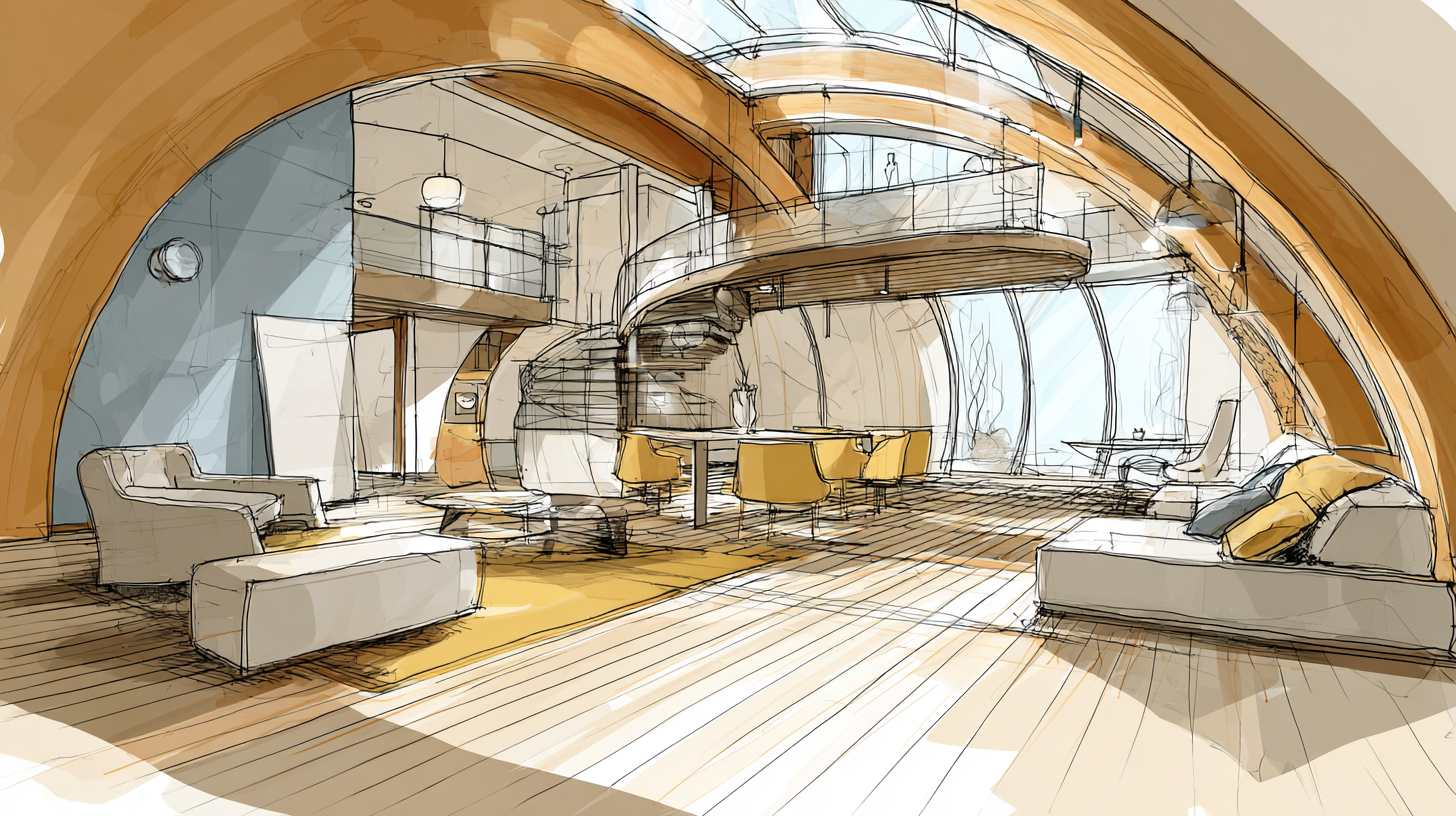 In the rapidly evolving landscape of creative industries, "Design Rendering" has emerged as a pivotal technology driving innovation and efficiency in project execution. According to the latest report by Statista, the global market for 3D visualization is expected to exceed $6 billion by 2025, highlighting the increasing reliance on advanced rendering techniques by designers and architects. These techniques not only enhance the visual appeal of projects but also play a crucial role in the decision-making processes of stakeholders. The ability to create hyper-realistic representations before physical production saves time and resources, ultimately transforming how concepts are communicated and realized. As such, mastering the art of design rendering is essential for professionals who wish to remain competitive in an industry that values creativity, precision, and speed.
Understanding the Basics of 3D Visualization in Design Projects
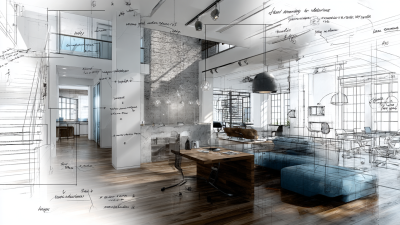
3D visualization has rapidly become a cornerstone in modern design projects. By allowing designers to create photorealistic images of their ideas, 3D rendering transforms concepts into tangible visuals. This is particularly important in architecture, where visualization helps communicate design intentions to clients and stakeholders. With numerous rendering engines available, designers can choose tools that best suit their specific project needs, enhancing the presentation of architectural concepts and interior space planning.
In addition to enhancing creative projects, 3D visualization serves a vital role in cultural preservation, exemplified by its critical function in the restoration of historical landmarks like Notre-Dame Cathedral. The use of 3D models in such endeavors not only aids in planning accurate restorations but also ensures that historical integrity is maintained. As technology evolves, the focus on intuitive and accessible 3D modeling software has expanded, catering to both beginners and experienced designers. This democratization of design tools allows for a wider range of creative expressions, ultimately pushing the boundaries of what can be achieved in the realm of design.
Exploring the Tools and Software for Effective 3D Rendering
The advancement of 3D visualization tools and software has profoundly transformed the landscape of design rendering. According to a report by Statista, the 3D rendering software market is projected to reach $3.2 billion by 2025, highlighting the growing reliance on such technologies in creative industries. Software like Autodesk Maya, Blender, and SketchUp not only facilitate intricate designs but also enhance collaboration among teams, enabling real-time adjustments and feedback.

When engaging with 3D rendering tools, consider integrating these tips to maximize effectiveness: First, ensure that you have a clear understanding of your project requirements before selecting software, as each tool offers unique features suited for different tasks. Second, invest time in learning the software's capabilities through online tutorials and community forums to unlock its full potential. Lastly, always keep an eye on the latest updates and plugins that can streamline your workflow and introduce new functionalities.
As industries increasingly turn to immersive technologies, incorporating effective 3D visualization is no longer optional but essential for staying competitive. Graphic designers, architects, and product developers must leverage these tools to create engaging presentations and prototypes that capture the imaginations of stakeholders and consumers alike.
Techniques for Enhancing Realism in 3D Design Visualizations
The evolution of 3D visualization techniques has significantly enhanced the realism of design renderings across various creative domains. By employing advanced algorithms and modular workflows, designers can create lifelike representations that capture the essence of their ideas. Techniques such as 3D scanning, texture mapping, and computational rendering have transformed how artists visualize their projects, making it easier to present complex concepts in a clear and engaging manner.
In the context of traditional cultural heritage, such as Chinese opera costume design, these advancements play a crucial role. Immersive technologies, including virtual reality, allow for a deeper exploration of intricate craftsmanship and aesthetic elements, ensuring that the cultural significance is preserved while promoting innovation. By integrating these enhanced visualization techniques into the design process, creators can not only honor the past but also inspire future generations through a more vivid and interactive representation of cultural artifacts.
Incorporating 3D Visualization into Your Creative Workflow
Incorporating 3D visualization into your creative workflow can dramatically enhance both efficiency and quality in various industries. A recent trend shows that companies leveraging AI and digital twin technology are seeing groundbreaking advancements in content creation. For instance, industry studies indicate that these technologies can reduce product imagery generation time by up to 60%, drastically accelerating marketing timelines without sacrificing quality. This shift not only facilitates faster turnarounds but also encourages more iterative and experimental design processes.
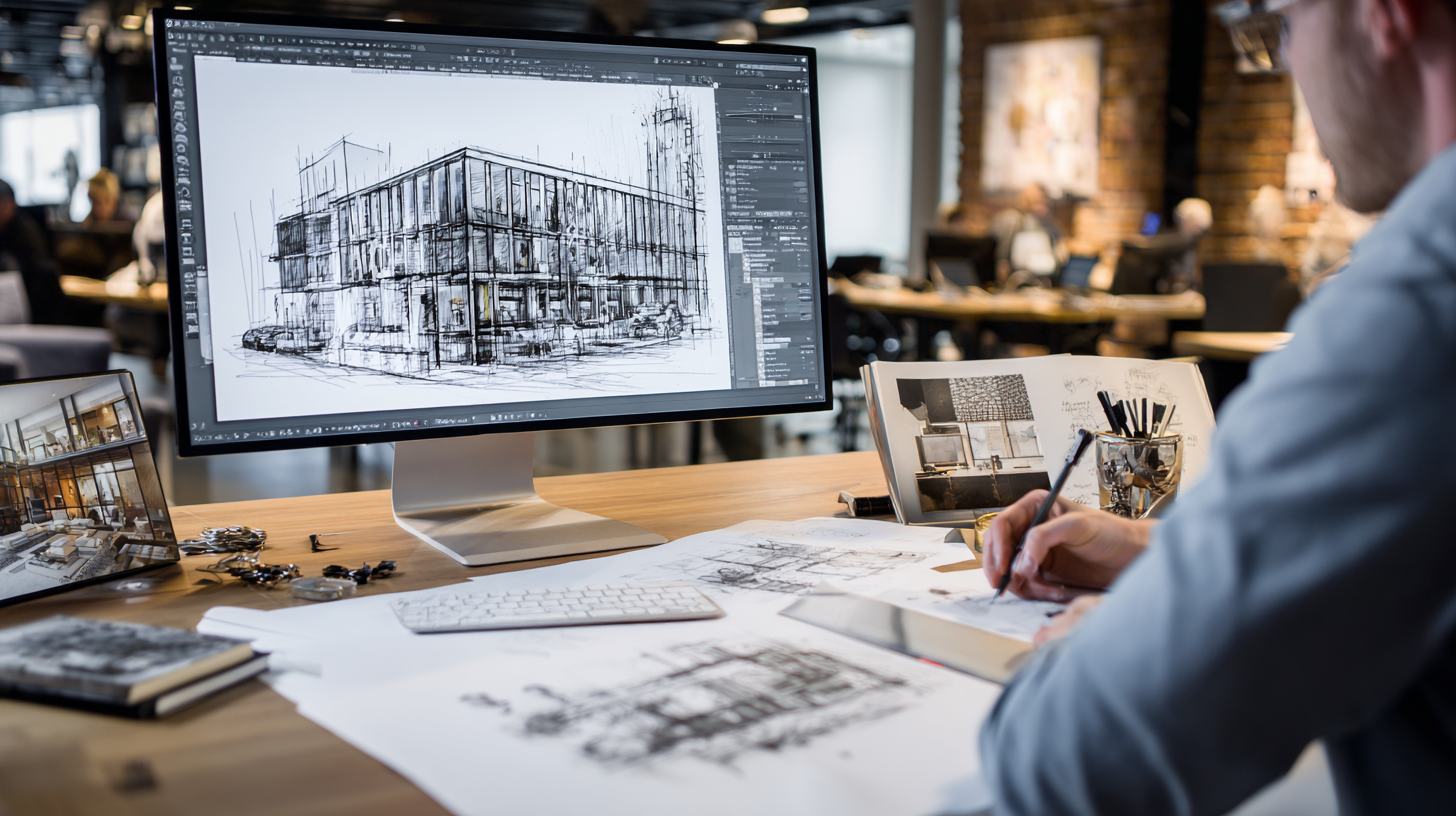
The transformation extends to architectural and interior design as well, where AI tools are increasingly being adopted to streamline workflows. For example, architects are using advanced 3D modeling software to create detailed representations of their designs in record time. Emerging solutions, such as those that generate 3D models from text and images, are becoming essential tools for creatives seeking to blend imaginative concepts with practical applications. As these technologies evolve, the synergy between 3D visualization and AI presents unprecedented opportunities for artists and designers, paving the way for innovative, personalized creations that resonate with audiences in a competitive market.
Unlocking the Future of Design Rendering: How 3D Visualization Transforms Creative Projects
| Dimension |
Description |
Impact Level |
Adoption Rate |
| Realism |
Enhances the visual accuracy of designs |
High |
75% |
| Speed |
Faster turnaround for visualizations |
Medium |
60% |
| Interactivity |
Enables user engagement with designs |
High |
55% |
| Collaboration |
Facilitates easier teamwork and feedback |
High |
70% |
| Cost Efficiency |
Reduces costs associated with prototyping |
Medium |
65% |
Case Studies: Successful Transformations Through 3D Rendering
In recent years, 3D rendering has revolutionized various creative industries by enhancing project visualization and facilitating more informed decision-making. One compelling case study is that of an architecture firm that utilized 3D visualization to transform its design process. By producing high-quality, realistic renderings, the firm was able to communicate its vision more effectively to clients, resulting in significantly increased client satisfaction and a higher rate of project approvals. The ability to visualize materials, lighting, and spatial relationships in a dynamic manner allowed clients to engage with the project, fostering collaboration and reducing the time spent on revisions.
Another notable example comes from the interior design sector, where a designer employed 3D rendering software to showcase potential space layouts. This approach enabled the designer to present multiple concepts simultaneously, making it easier for clients to envision the final outcomes. As a result, not only did the designer experience quicker client feedback, but the overall project lead time was reduced. These successful transformations highlight how 3D rendering serves as an essential tool in modern creative processes, enabling professionals to push the boundaries of innovation while effectively meeting client expectations.
Unlocking the Future of Design Rendering: Transforming Creative Projects through 3D Visualization