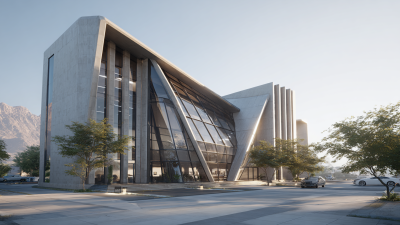
Unlocking the Future of Real Estate Rendering Techniques for Stunning Visualizations
In the ever-evolving landscape of real estate, the power of impactful visualizations cannot be overstated.
Real estate rendering has become a pivotal tool for architects, developers, and marketers seeking to create compelling narratives around their properties.
With advancements in technology, including virtual reality, augmented reality, and sophisticated 3D modeling software,
real estate rendering techniques have reached new heights, allowing for stunning presentations that captivate potential buyers and investors alike.
This guide aims to demystify the process of creating extraordinary real estate renderings, exploring various methods and tools that can help
transform concepts into visually striking realities. By understanding the nuances of these techniques, industry professionals can unlock the full potential
of their projects, ultimately enhancing communication, engagement, and sales in a competitive market.
Exploring Cutting-Edge 3D Rendering Software for Real Estate Visualizations
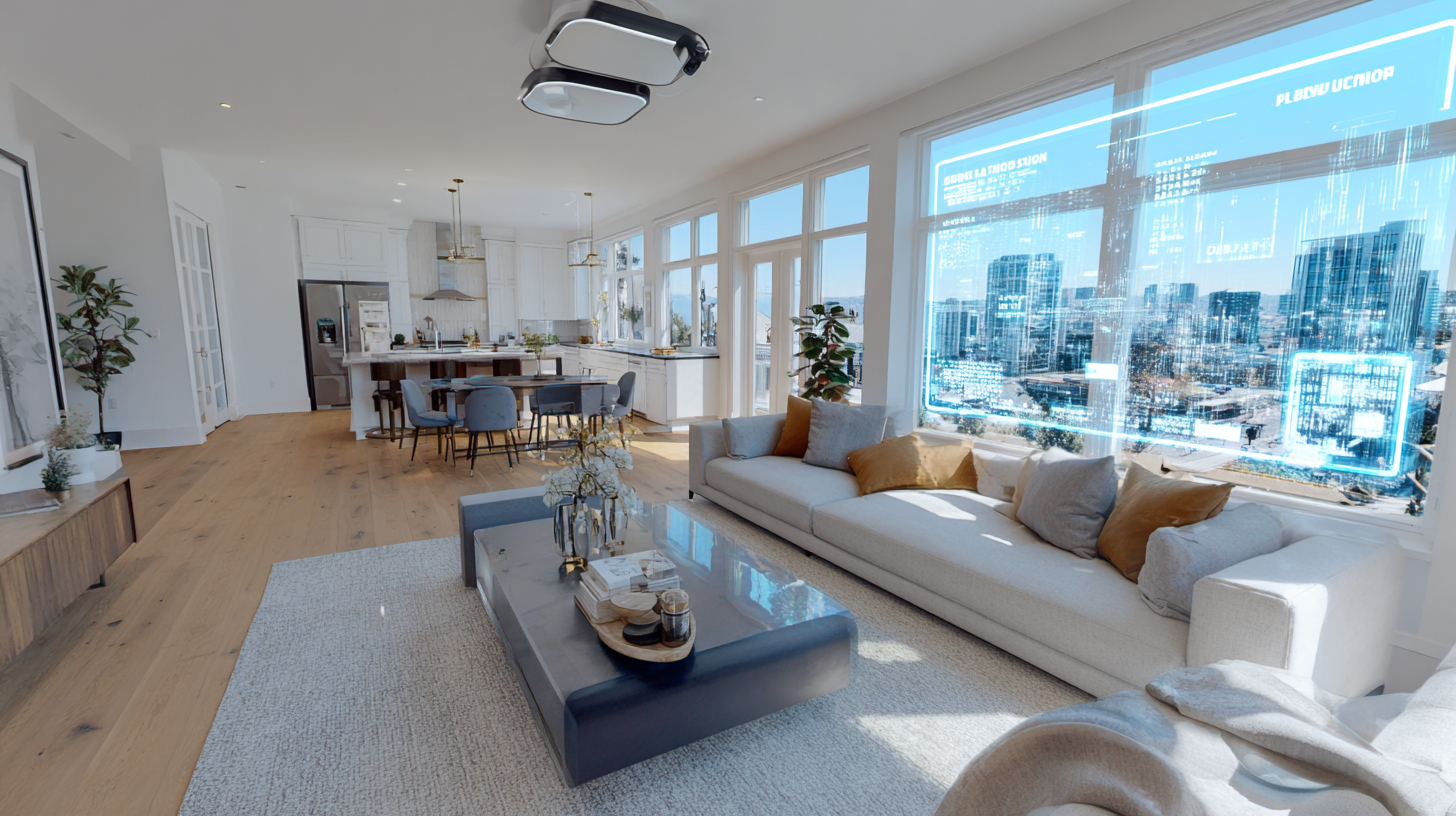
The real estate industry is undergoing a significant transformation with the emergence of cutting-edge 3D rendering software that elevates visualizations to new heights. This technology enables developers and architects to create photorealistic representations of properties, allowing potential buyers to immerse themselves in virtual walkthroughs before construction even begins. With powerful rendering tools, every detail from lighting to materials can be meticulously crafted, making it easier for clients to envision their future homes or commercial spaces.
Innovations in data visualization technologies play a crucial role in enhancing these 3D rendering capabilities. For instance, techniques reminiscent of the digital twin concept, where a virtual representation mirrors a physical entity, can be adapted to real estate. This approach not only streamlines the design process but also aids in managing safety and efficiency throughout a project's lifecycle. By leveraging real-time data and advanced visualization techniques, stakeholders can make informed decisions, ultimately unlocking the future of real estate visualizations and creating breathtaking experiences for prospective buyers.
Best Practices for Creating Stunning Architectural Visualizations in Real Estate
Creating stunning architectural visualizations in real estate requires a blend of advanced technology and artistic sensibility. Key practices begin with understanding the project’s intent and audience. By defining the target demographic, designers can tailor visualizations to resonate emotionally with potential buyers or investors. This audience-centric approach ensures that the rendered visuals highlight elements that matter most, such as aesthetics, functionality, and the overall ambiance of the property.
In addition, leveraging cutting-edge rendering techniques such as photorealistic rendering and virtual reality can significantly enhance the appeal of visual presentations. Utilizing high-quality textures, realistic lighting, and intricate details can make a visualization more immersive and believable. Furthermore, incorporating 3D animations can showcase dynamic features of a property, such as changing light patterns throughout the day or the interaction of spaces, which traditional static images cannot convey. By adhering to these best practices, real estate professionals can create compelling visual content that captivates audiences and effectively communicates the unique qualities of their properties.
Real Estate Rendering Techniques Popularity Over Time
This chart illustrates the popularity of various rendering techniques in real estate from 2018 to 2023, showcasing trends like the rise of photorealistic rendering and virtual reality.
Utilizing Virtual Reality to Enhance Property Tours and Client Engagement
Virtual reality (VR) is revolutionizing the real estate industry by enabling immersive property tours that significantly enhance client engagement. According to a recent report by the National Association of Realtors, properties that feature virtual tours receive 87% more views and sell 31% faster compared to those without. This shift towards an interactive approach allows potential buyers to explore properties in a compelling, real-time environment, breaking the geographical barriers that traditionally limit viewings.
Leveraging VR not only streamlines the viewing process but also elevates the overall client experience. Buyers can walk through homes, visualize different design options, and even customize features at their own pace. This engagement fosters a deeper emotional connection to the property, making it more likely for clients to move forward with a purchase.
**Tips:** When utilizing VR for property tours, ensure that high-quality graphics are used to create realistic environments. Additionally, offering a variety of viewing formats, such as mobile VR and web-based tours, can cater to different client preferences, enhancing accessibility and convenience. Always gather feedback from clients to continuously refine the experience based on their requirements and suggestions.

Incorporating Augmented Reality in Real Estate Marketing Strategies
As the real estate market becomes increasingly competitive, incorporating augmented reality (AR) into marketing strategies is proving to be a game changer. According to a report by Goldman Sachs, the AR market is expected to reach $198 billion by 2025, with real estate being one of the top sectors benefiting from this technology. By allowing potential buyers to visualize properties in 3D right from their smartphones, real estate professionals can offer immersive experiences that go far beyond traditional photography or virtual tours.
Moreover, research from the National Association of Realtors indicates that 77% of buyers found AR technology appealing when searching for a home, underscoring its growing importance in engaging tech-savvy consumers. Using AR, agents can create interactive experiences where clients can walk through properties, change finishes, or rearrange furniture in real time. This level of engagement not only captivates potential buyers but also fosters a deeper emotional connection, making it more likely for them to invest in the property. As these technologies evolve, their ability to enhance real estate listings will only continue to rise, redefining how properties are marketed and sold.
Unlocking the Future of Real Estate Rendering Techniques for Stunning Visualizations - Incorporating Augmented Reality in Real Estate Marketing Strategies
| Rendering Technique |
Description |
Benefits |
Use Cases |
AR Integration |
| Photorealistic Rendering |
High-quality, lifelike images created using advanced rendering software. |
Engaging visuals that attract potential buyers. |
Luxury real estate listings, marketing collateral. |
Sometimes paired with AR to allow interactive property views. |
| 3D Visualization |
Digital models that represent spaces in three dimensions. |
Allows clients to understand spatial relationships better. |
Architectural design presentations, virtual tours. |
Enhanced experience when viewed through AR devices. |
| Virtual Tours |
360-degree views of properties that can be navigated interactively. |
Convenience for remote buyers; immersive experience. |
Online property listings, open houses. |
AR can enhance navigation and information display. |
| Augmented Reality |
Technology that overlays digital information onto the real world. |
Interactivity; provides additional context and information. |
Property walkthroughs, staging simulations. |
Direct integration with apps and mobile devices for accessibility. |
The Role of AI in Streamlining Real Estate Rendering Processes and Enhancements
 The integration of artificial intelligence (AI) in real estate rendering is transforming the way visualizations are created and processed. By leveraging advanced algorithms, AI can automate time-consuming tasks such as 3D modeling, texture mapping, and lighting adjustments. This streamlining allows architects and designers to focus on the creative aspects of their projects rather than getting bogged down in technical details. The result is not only a more efficient process but also a higher quality output, as AI can optimize settings to enhance realism and visual appeal.
Moreover, AI-driven tools offer personalized rendering experiences, catering to the specific needs of stakeholders in the real estate industry. For instance, AI can analyze market trends and buyer preferences to generate tailored visualizations that resonate with potential clients. This capability enables developers to present properties in ways that highlight their best features and unique selling points, ultimately leading to more effective marketing strategies. As AI continues to evolve, its role in real estate rendering will likely expand, unlocking new possibilities for stunning visualizations that capture the imagination of buyers and investors alike.